
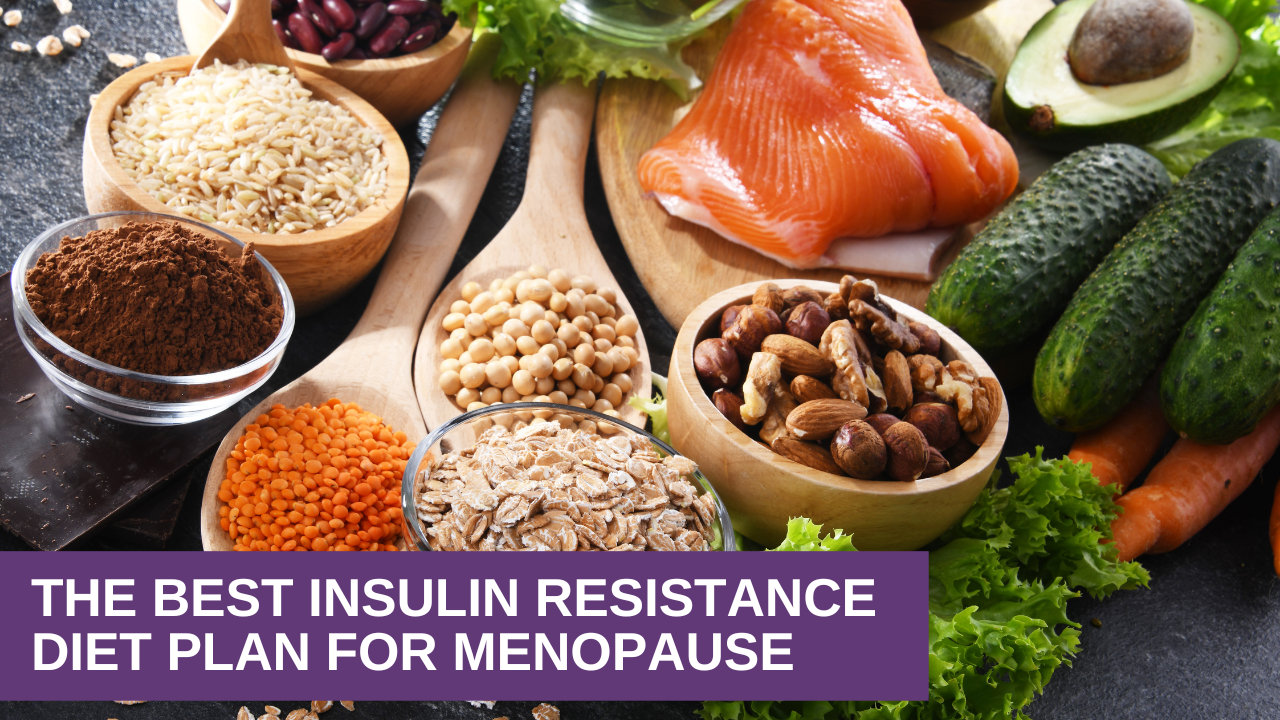
Today, I'm going to show you the best insulin resistance diet for menopause weight loss. But first, I want you to understand why this even happens. Because it's not just getting older.
Why Menopause Changes the Way Your Body Handles Carbohydrates
Strange now that you're going through menopause. You just can't eat what you used to and stay in shape. You're a lot more sensitive to carbohydrates now. Even a little sugar or starch seems to cause weight gain.
Now, here's why.
The Hypothalamus and Insulin Resistance
Insulin resistance actually begins in your hypothalamus. Your hypothalamus controls glucose metabolism throughout your entire body.
It regulates your pancreas's insulin and glucagon response, how much glycogen gets stored in your liver, and how much unused sugar gets stored as fat.
When your hypothalamus is functioning well, all that stays coordinated and efficient.
Why Insulin Resistance Can Worsen During Menopause
But declining estrogen and progesterone through menopause increases hypothalamic dysregulation, and that slows your basal metabolic rate down and disrupts this entire glucose management system.
Which is exactly why insulin resistance and weight gain accelerate so noticeably during this transition, even without changing how you eat.
So, let me show you how I build your meals, with two things mattering equally: what you eat and when you eat it.
What to Eat for Breakfast During Menopause
Start your morning with movement. Get outside. If you can walk or exercise for about 20 minutes, you're using your muscles and getting some morning light. Both are useful for metabolic health.
Then for breakfast, think protein, healthy fat, and colorful plants.
Whole fat Greek yogurt with berries and nuts, eggs with greens, tomatoes, and avocado. Or a smoothie with unsweetened milk, berries, protein, and greens.
Notice what's not here. Pastry, sweet cereal, juice, or a big load of refined starch.
Lunch & Dinner: Foods to Prioritize and Limit
Lunch and dinner follow the same pattern.
Protein first, a lot of vegetables, healthy fats like olive oil, avocado, nuts, or seeds.
If you're eating carbohydrates, choose less refined, higher fiber options, and watch the portion.
Why Meal Timing Matters for Insulin Resistance
Now, timing.
Eat earlier in the day and keep a consistent eating schedule rather than loading up late in the evening.
Your metabolism is naturally less active at night. And eating in rhythm with that metabolism supports insulin sensitivity far more than eating the same foods spread differently through the day.
Don't make dinner your biggest, heaviest meal.
Movement and Insulin Sensitivity
And keep moving throughout the day.
Your muscles use glucose, so walking, strength training, and sitting less all help your body respond to insulin more efficiently.
Supporting Your Hypothalamus During Menopause
Food and timing matter, but they're working with a hypothalamus that menopause has already put under strain.
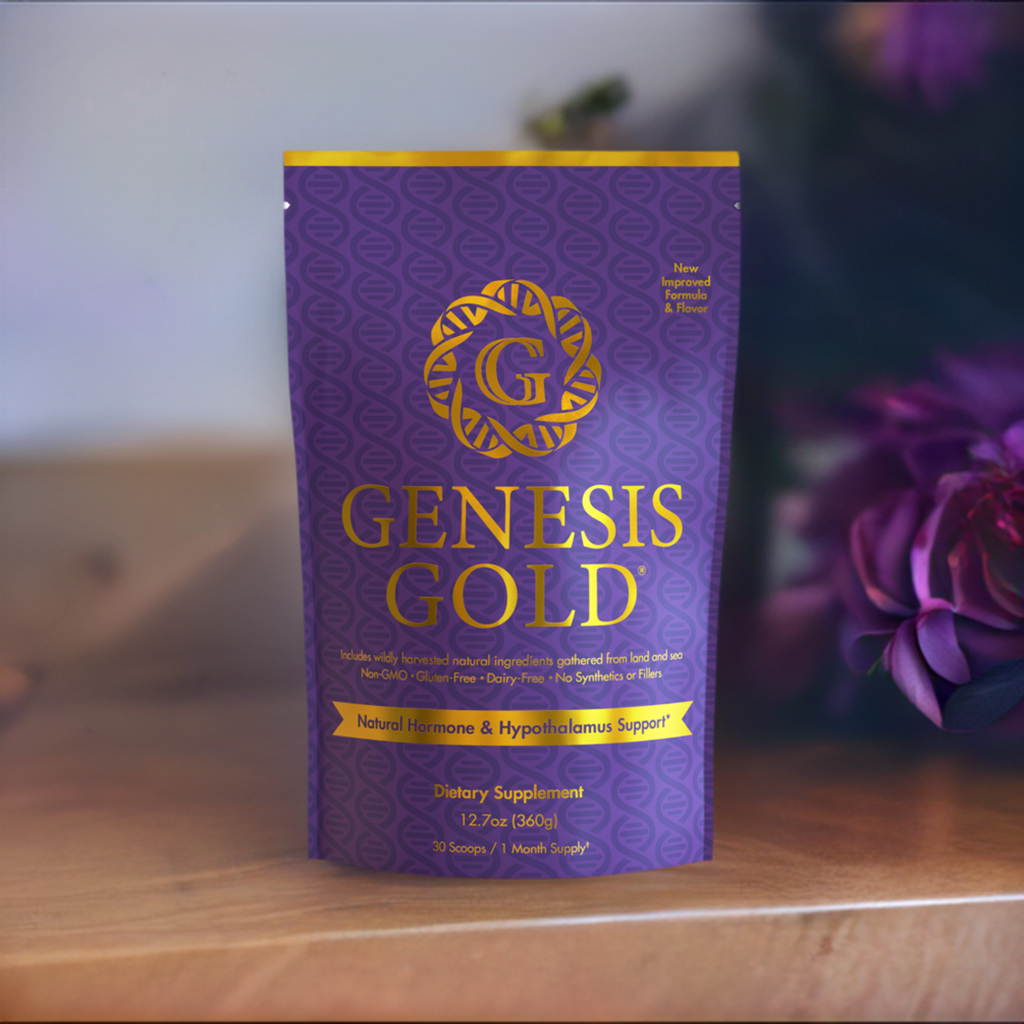
That's exactly why I created Genesis Gold® to restore optimal hypothalamic function so that menopausal steroid decline doesn't cascade into metabolic effects.
We've been talking about slowed metabolism, worsening insulin resistance, and stubborn weight gain.
Get My Free Insulin Resistance Diet Plan
If you want my full insulin resistance diet plan along with how insulin, your hypothalamus, and your menopause hormones all fit together, that's what you'll get in my Free Hormone Reboot Training.


0 Comments