
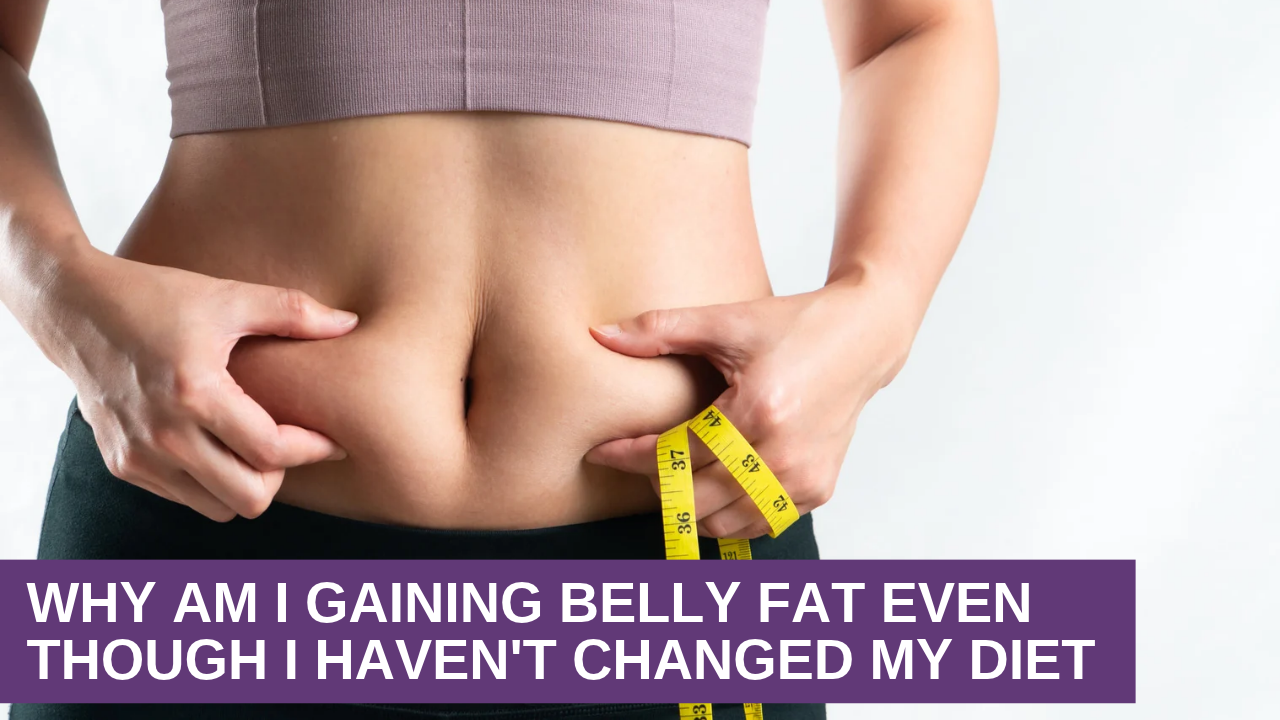
If you’re gaining belly fat even though you haven’t changed the way you eat, this is for you. I’m going to explain why this happens — and it starts somewhere most people never look: your hypothalamus.
Here’s the deeper mechanism. When your blood sugar runs consistently high over time, it’s not just your muscle and liver cells that stop responding to insulin — your hypothalamus does too. Insulin receptor sites up there start shutting down the same way they do everywhere else in the body.
And your hypothalamus is actually one of the places insulin signals to when it’s telling your body “we have enough energy, stop being hungry, start burning fuel.” When those receptor sites go quiet, that message doesn’t get through.
So now you have two problems stacking on each other.
Insulin can’t unlock your cells to let glucose in, so your body stores the extra glucose as fat — a lot of it around your middle. And some of that gets stored as visceral fat, packed in around your internal organs. Visceral fat isn’t just sitting there. It’s metabolically active and highly inflammatory, and that inflammation can travel right back up to your hypothalamus and make the resistance worse. It becomes a loop.
That’s why eating the same amount of food doesn’t mean your body is handling it the same way it used to. The hypothalamus that used to regulate your appetite and metabolism accurately is now getting bad signals in both directions.
What Can You Start Doing?
#1: Move More Throughout the Day
Movement helps your body use glucose for energy and supports better insulin sensitivity — including at the receptor level.
#2: Cut Back On Sugar and Starchy Foods
Build meals around protein, healthy fats, and lower-glycemic vegetables to reduce how much glucose your body has to manage at once.
#3: Pay Attention to When You Eat
Eat more earlier in the day, and give yourself time between dinner and bedtime. At least three to four hours.
#4: Work On Stress and Sleep
Cortisol keeps glucose flowing into your bloodstream, and poor sleep disrupts the same hypothalamic signaling that’s already struggling with insulin resistance.
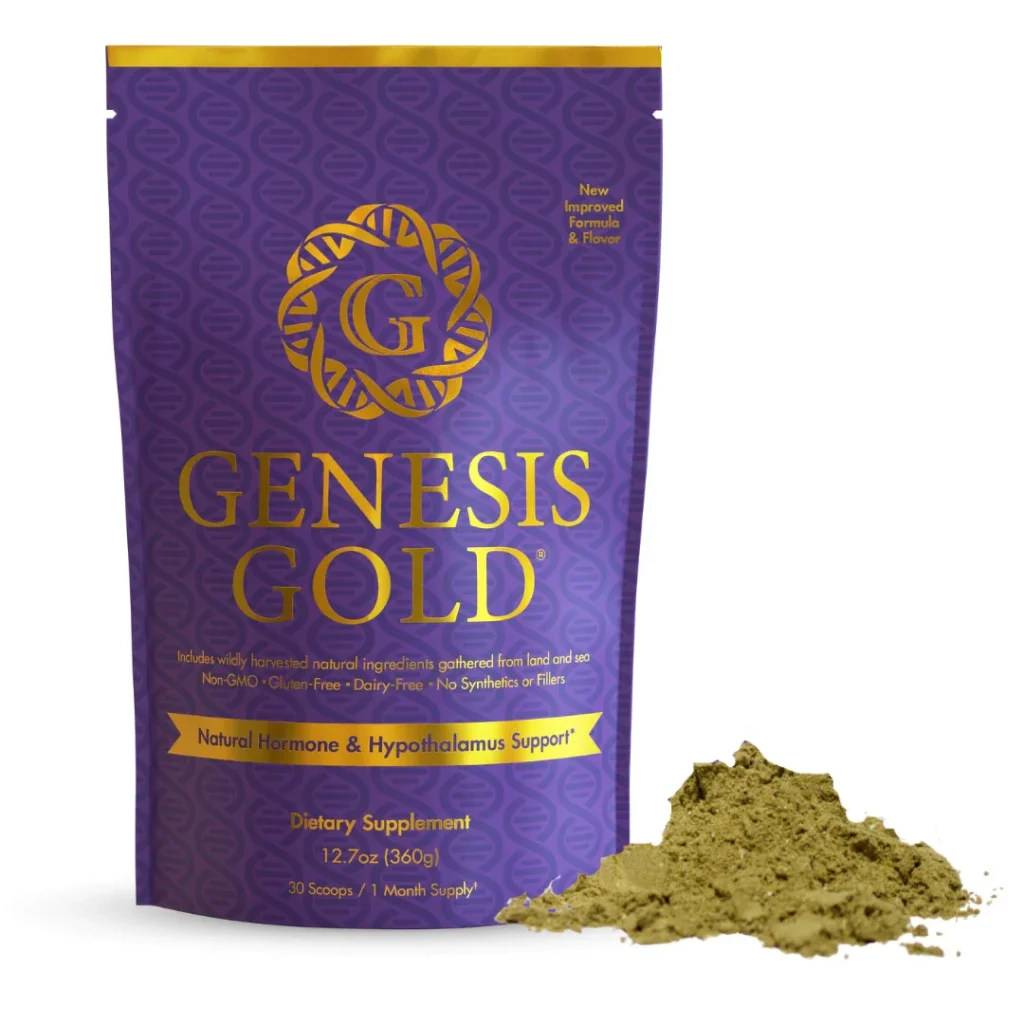
But here’s the piece diet and exercise alone can’t fully fix: once the hypothalamus itself is inflamed and insulin-resistant, it needs targeted support to recover, not just fewer carbs. That’s specifically why I created Genesis Gold® — to help decrease hypothalamic inflammation and support that receptor-level function so your brain’s signaling to your metabolism can start working accurately again.
If you want to understand how insulin, cortisol, and the rest of your hormones fit together and what’s actually driving this, that’s what I teach in my Free Hormone Reboot Training.
Genesis Gold® is formulated to support your hypothalamus to help reduce inflammation, improve insulin sensitivity, and increase metabolism.


0 Comments