

What are the energetics of health and healing at midlife?
Let's talk about it.
Every stage of your life holds a different potential for health as well as healing. What health issues you may be facing, as well as what mindset best serves your most optimal state of wellness differs throughout life.
MIDLIFE (40-60)
After a couple of decades of young adulthood, you’ve arrived at midlife.
Fortunately, it’s not too late to get healthy even if you did not make the best choices earlier in life. Studies show that making healthy choices at midlife can reduce chronic illness as you age. Some people start to have hormonal midlife changes as early as 35 but typically this is between 40 to 60 years old when your hypothalamus is less responsive and you’re becoming hormonally challenged.
We think of the change as a decline in sex hormones but it actually begins with an adrenal decline.
Especially if you've been under stress for a long period of time. Most people in modern society are because they're not sleeping enough nor eating well and not practicing stress reduction techniques.
Here are five tips to stay healthy in midlife:
1. Hypothalamic Support
Your hypothalamus needs all the help it can get during midlife.
With nutraceutical support your hypothalamus can help maintain the longevity of your gonads (ovaries in a female, testes in a male) so that you're still producing enough sex steroids to function optimally. Hypothalamic nutraceutical support helps to support your adrenal function, thyroid function, and proper glucose metabolism.
It helps to support your circadian rhythm and sleep, as well as healthy immunity.
I recommend four grams of Genesis Gold® powder per 50 pounds of body weight daily to heal imbalances and maintain optimal health. I started taking Genesis Gold® in my early 40s, which I believe delayed my menopause until my late 50s, unlike my sisters who went through the change in their mid 40s.
Youthful sex hormone production keeps your metabolism and brain healthier and reduces inflammation.
2. Eat a Plant Based Diet
If you haven't already started eating well, it’s not too late.
The changes you make in midlife can actually be key to how you age. The healthiest diet for optimal hypothalamus function which is key to aging gracefully is the Mediterranean diet. It’s plant based, rich in healthy fat and provides adequate protein.
Definitely reduce the amount of processed foods you're eating including fried foods. Consume lots of colorful fruits and vegetables, whole grains, nuts and seeds.
If you need more help, I adapted the Mediterranean diet into what I call my DMAR Nutritional Path for Healing. It will really help you understand exactly what you need in terms of fat, protein, and carbohydrates according to your lean body mass and your activity level.
3. Exercise Regularly
Avoid being a weekend warrior.
Fit exercise into your daily schedule. Strive for aerobic exercise, anything to get your heart rate up, at least three times per week. If time is an issue, try HIT (high intensity training). Be sure to warm up and cool down.
Do weight resistance exercise twice a week and stretch every day to help avoid injury. Yoga is a great way to maintain your flexibility and strength.
4. Get Enough Sleep
If you miss sleep, you don't recover like you did when you were younger. Plus you may not be sleeping as well because your sex hormones are out of balance.
It is important you get seven to nine hours of sleep. If you're a late-night owl try backing up your bedtime by 15 minutes every three nights to help reset your circadian rhythm. Be sure you have a healthy sleep routine. And stick with that routine in order to trigger your hypothalamus to trigger your pineal gland to make enough melatonin.
You may need hormone support which is why I developed Gen-Pro - a transdermal bioidentical progesterone cream that’s highly concentrated and bioavailable. Gen-Pro can help balance perimenopausal women as well as andropausal men using testosterone replacement therapy (Gen-Pro helps reduce testosterone conversion into estrogen.)
5. Adopt a Healthy Mindset
At midlife, you're probably starting to see and feel your age.
Perhaps you wonder if you’ve accomplished everything that you wanted to, have you lived your dreams? This is the time for you to start transitioning towards adopting a healthy, healing mindset. Start looking for what’s working, start counting your blessings, expressing your gratitude. Your physical body responds to positive mental affirmations.
Praise your strength, your fortitude.
Choose joy over struggle.
Yes, there’s always something to enjoy in life.
Worry becomes a habit that keeps you sick. Let it go. The emotional freedom technique may help. Therapy may also be needed. Midlife is one of the best times to do your psychospiritual work. What are you waiting for?
The time is now to live your best life.
If you have any questions about how to stay healthy throughout midlife and want access to my best diets, exercise routines, and stress reducing meditation, please join us in our Hormone Reboot Training.
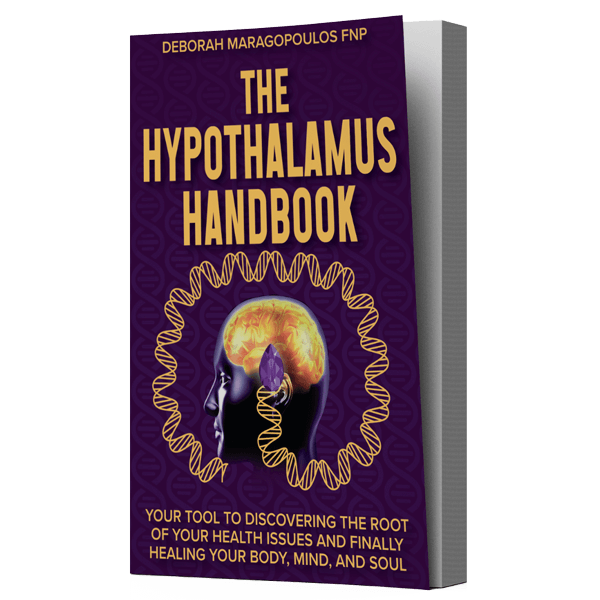
You can also learn more in my newest book The Hypothalamus Handbook.

0 Comments