
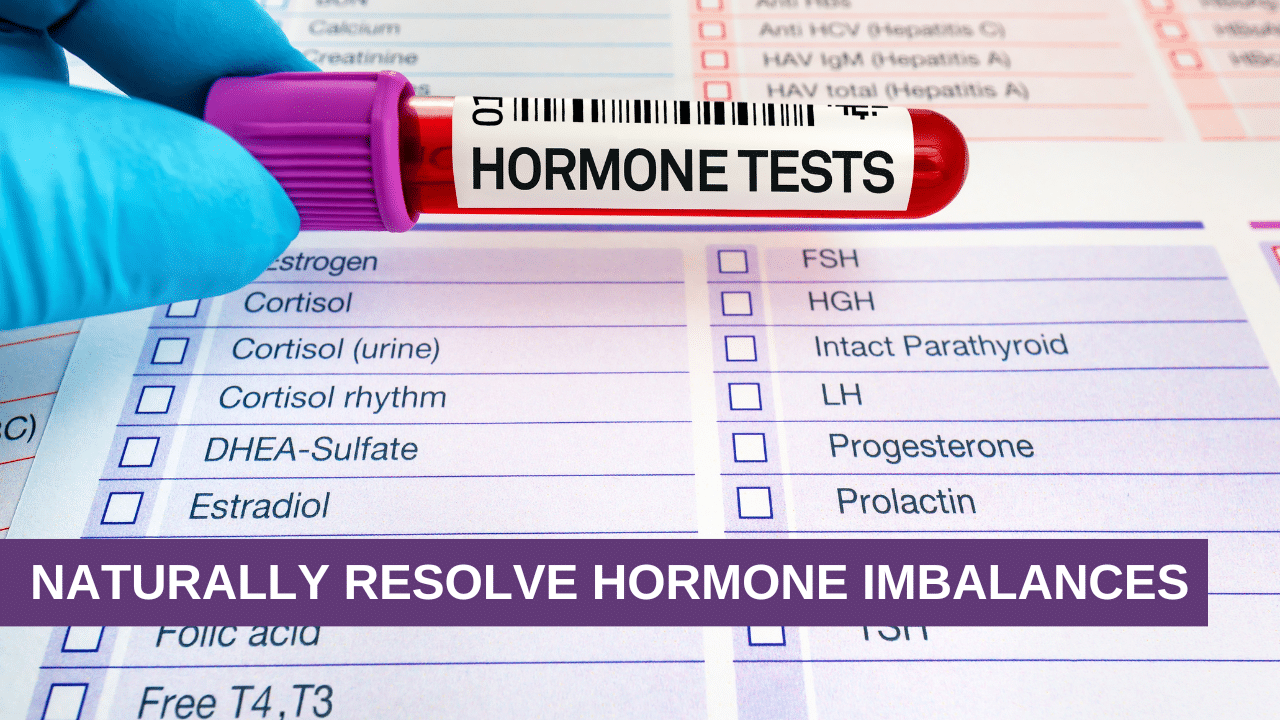
How can you naturally resolve hormone imbalances? Let's talk about it.
As a neuro immune endocrine specialist treating the hormonally challenged for over 30 years, I find that most of my patients prefer to take a natural path to getting their hormones in balance. That's one of the reasons that I created Genesis Gold®. If you support your hypothalamus nutraceutically then you need much less hormone replacement therapy if any to resolve imbalances.
Hormone imbalances are not limited to sex hormones, but involves adrenal hormones, thyroid hormones, pancreatic hormones and pituitary hormones.
I've developed five pillars to naturally resolve hormone imbalances:
#1 Pillar > Support Your Hypothalamus
Multiple endocrinopathies meaning more than one hormone is out of balance can be challenging to treat without supporting the hypothalamus. A more balanced hypothalamus communicates more effectively with the lower endocrine glands.
If hormone imbalances are severe, meaning uncontrolled diabetes, hyperthyroidism, or hypothyroidism, adrenal insufficiency or Cushing syndrome, complicated menopause or andropause, premature ovarian failure or infertility, I recommend starting with Sacred Seven® amino acids then adding Genesis Gold® for more complete hormonal support to help balance the hypothalamus and improve hormone receptor site function.
This more intense support improves the feedback between the cells, endocrine glands, pituitary and hypothalamus. It takes at least 90 days of hypothalamic support to start to see the hormones come into balance. Although you may sleep better and have more energy and feel some initial symptom relief, plan on committing to three months plus one month per year you’ve been out of balance.
#2 Pillar > Consume a Nutritious Diet
Most people that have hormonal imbalances tend to have a diet that is not healthy. Even if you’re eating a healthy diet now, you triggered your hormonal imbalances with poor eating habits. Nutrition is key x. Making poor food choices, like too much junk food, disbar, fried foods, not enough fruits and vegetables, skipping meals, eating too late contributes to hormonal imbalances.
The healthiest diet to resolve hormonal imbalances is the Mediterranean diet. It's rich in healthy fat, especially omega 3 polyunsaturated fatty acids. It provides adequate amount of protein to maintain lean body mass. And most importantly, it's plant-based to provide adequate micronutrients - vitamins, minerals and cofactors - as well as low glycemic carbohydrates to help the body repair, recover, and produce enough energy to make hormones.
#3 Pillar > Be Active
Keeping your body active helps to balance your hormones. Being sedentary increases the risk of metabolic conditions, including obesity, diabetes, hypertension, and heart disease all of which are hormone mediated. Activity improves reproductive hormone levels, balances out adrenal and thyroid hormones, and helps to keep your glucose metabolism in balance. You want to strive for at least 20 to 30 minutes of aerobic activity three to five times a week and some weight resistance at least a couple times a week in order to keep your hormones in balance.
#4 Pillar > Get Enough Sleep
If you don't get enough sleep, you will suffer from imbalanced hormones. Getting at least seven to nine hours of sleep every night in a dark room is crucial to having healthy hormones that follow a healthy circadian rhythm. People who tend to stay up late people, who work graveyard shifts, who suffer from chronic insomnia will have imbalanced hormones. I fiind that when my patients use Genesis Gold®, they tend to sleep deeper. If they've had insomnia for a prolonged period of time, extra Sacred Seven® amino acids helps to reset their circadian rhythm.
#5 Pillar > Adopt a Healing Mindset
When we've been unhealthy and out of balance we begin to expect our bodies not to function normally. A healing mindset assumes that your body is built to function well, that you have the capability within your genetics to heal anything. With a healing mindset, you move from focusing on what’s wrong to becoming a cheerleader to your body. You begin supporting yo own healing with your thoughts and your words focusing on what’s getting better. And that helps your body to heal. This isn't just positive thinking. Your thoughts lead to actions, which then lead to positive or negative health behaviors.
Balancing your hypothalamus with Genesis Gold® helps to resolve your hormone imbalances much more quickly and much more effectively. Genesis Gold® also helps you to follow a healthy hormone diet, stay more active, sleep more deeply as well as helps you to naturally shift your mindset from one that is sick to one that is healing.
If you have any questions about resolving imbalanced hormones, please join me in our Hormone Support Group where I answer your questions live. You can access it by signing up for my free Hormone Reboot Training.

This really is a remarkable product.. I have taken it for years as Debra started it.. I moved and I stopped.. I since restarted it and I am so glad I did I am feeling much better daily.. its been about 3 months ..