Is polycystic ovary syndrome an autoimmune disease?. Polycystic ovary syndrome or PCOS is a condition in women that is characterized by chronic high levels of testosterone and an anovulatory state meaning not ovulating regularly.

Is polycystic ovary syndrome an autoimmune disease?. Polycystic ovary syndrome or PCOS is a condition in women that is characterized by chronic high levels of testosterone and an anovulatory state meaning not ovulating regularly.
PCOS or polycystic ovary syndrome is linked to insulin resistance. In fact, it is believed that insulin resistance in polycystic ovary syndrome is caused by the underlying mechanisms contributing to polycystic ovary syndrome.
Polycystic ovary syndrome (PCOS) is a hormonal disorder that affects 10% of women of reproductive age.
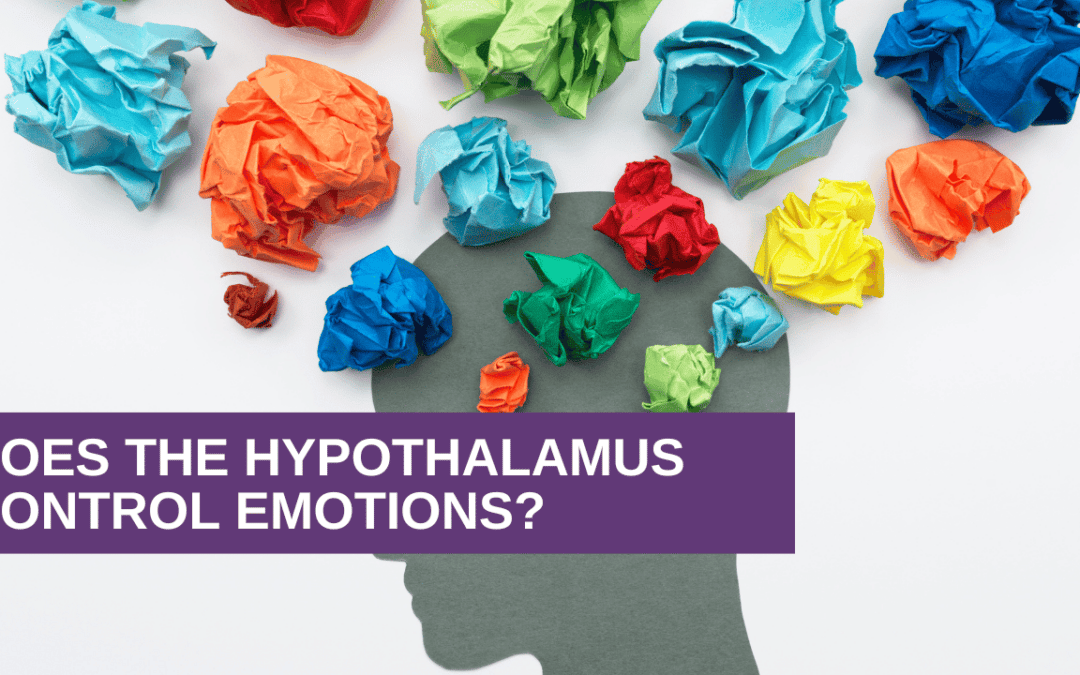
Your hypothalamus is integral in your emotional response. Your emotions are mediated in a part of the brain called the limbic system and that includes your hypothalamus. The limbic system is a complex set of interconnected brain areas that...
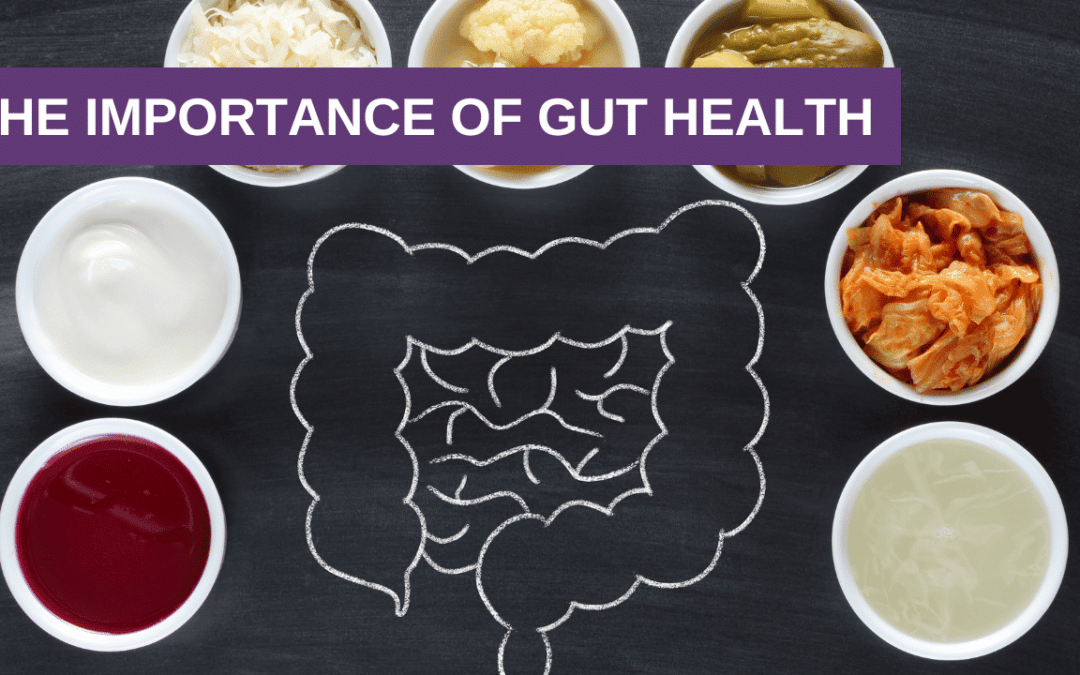
Why is it important for your gut to be healthy? And especially, how does your gut health affect your hormones? Focusing on gut health is very popular now. With the majority of the focus being on making sure that you have enough probiotics in...
Did you know that your hypothalamus can be severely affected by Covid? And that is why you may have debilitating symptoms long after you’ve recovered from the virus — otherwise known as Long Haul Covid. Early in the pandemic, I joined a Covid...
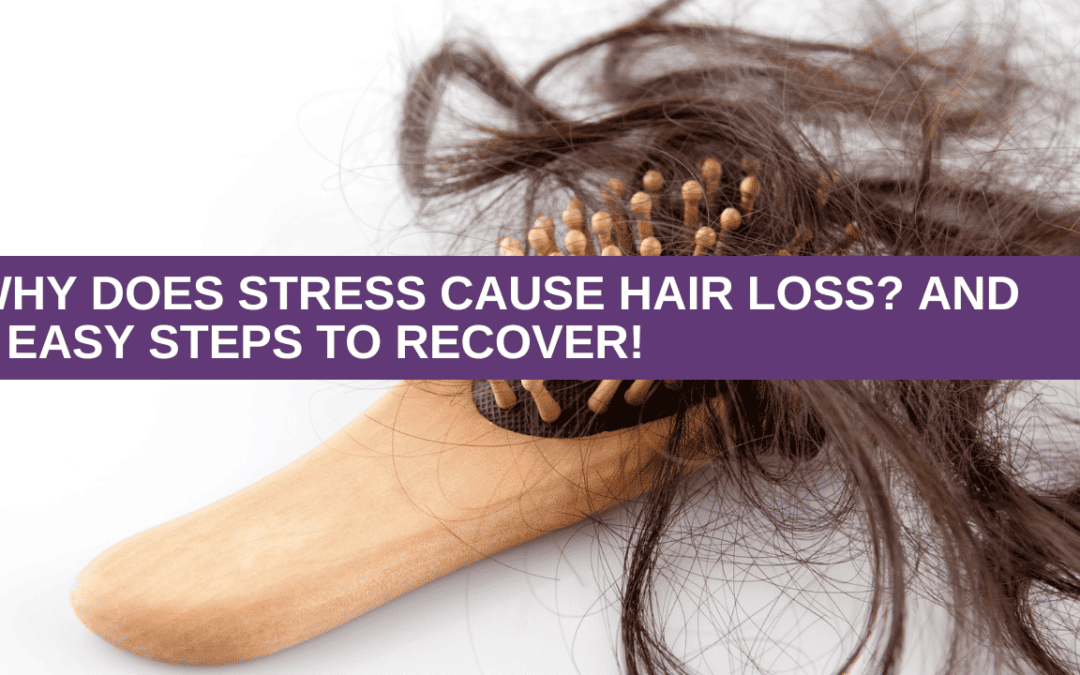
Stress-Related Hair Loss: Why It Happens Have you noticed increased shedding a few months after a stressful event? Stress-related hair loss is more common than most women realize. When your body stays in fight-or-flight mode, cortisol rises,...
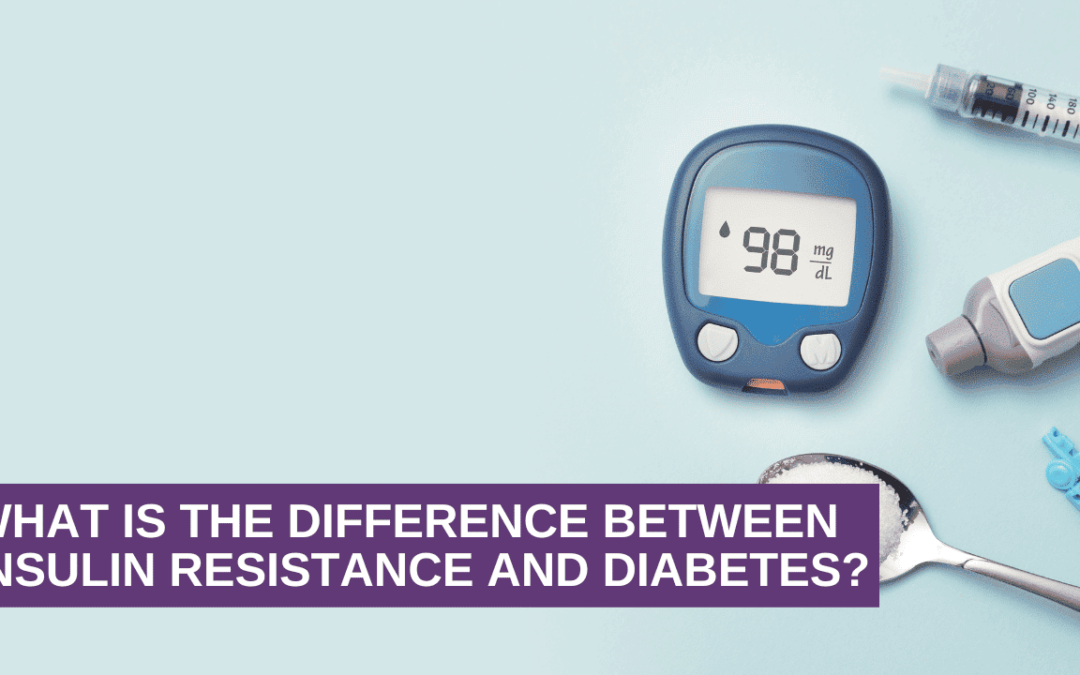
Insulin resistance is often referred to as “pre-diabetes,” because it is a condition in which your cells’ insulin receptors are not functioning correctly. Though these two conditions are sometimes part of the same conversation, there are many key differences between insulin resistence and diabetes. Together, we will explore how they’re linked, and what differentiates them.
It’s not uncommon knowledge that stress can cause an emotional reaction. It doesn’t have to be a physical stressor like an injury or illness. It can be an emotional stressor, like a difficult relationship or work situation, the loss of a job or a loved one, or learned hyper-reactions to everyday stressors that can induce emotional stress.
Chronic stress can keep your cortisol levels elevated. So it’s essential to reduce your cortisol levels to help reduce your stress. Here are five ways to reduce your cortisol levels and stress naturally.