
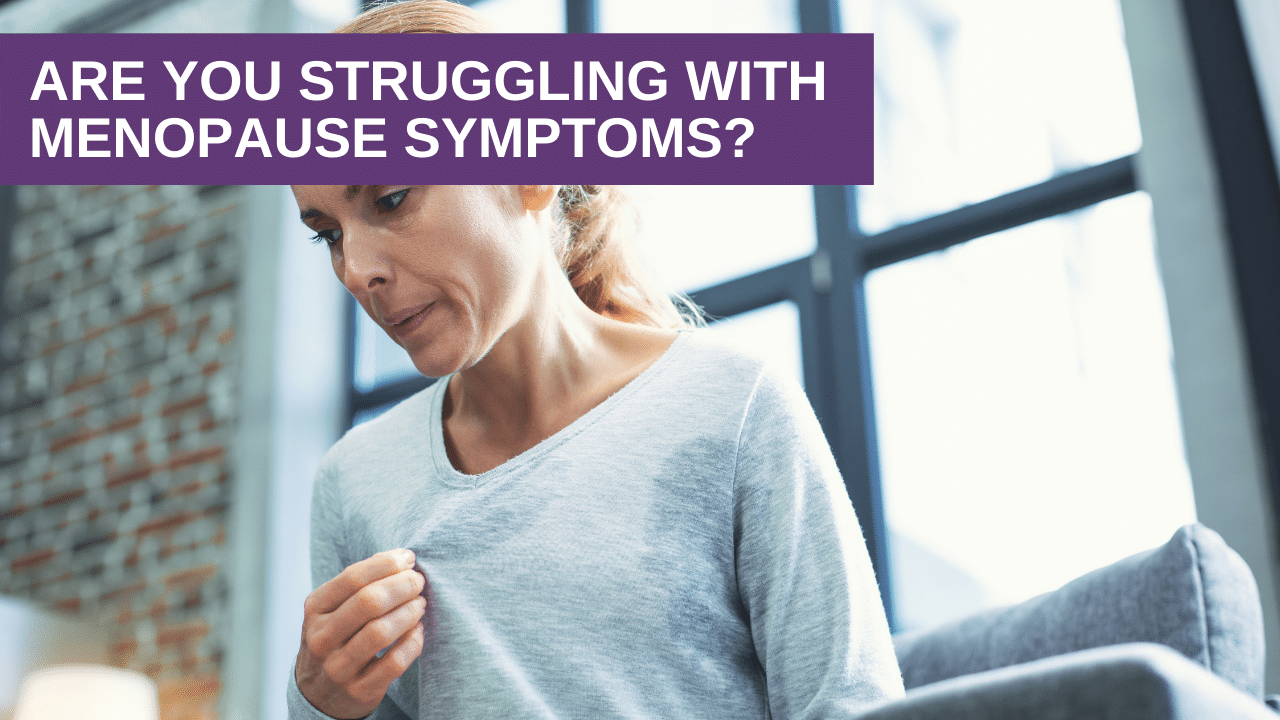
Are you in perimenopause and still having periods, yet suffering from what seems like menopausal symptoms? Or are you postmenopausal and still suffering from lack of hormones? Let's talk about what your menopause symptoms might be, and how you can thrive instead of suffer.
There are over 40 symptoms that are related to menopause. All of the symptoms are the result of your sex hormones plummeting in estrogen, progesterone, and testosterone, which affect every system in your body.
Menopausal symptoms can be categorized into five different categories:
- Hypothalamic
- Neurological
- Connective Tissue
- Gastrointestinal
- Immune System
Hypothalamic Menopause Symptoms
The majority of menopausal symptoms are hypothalamic symptoms, meaning that when you're hormones bottom out, your hypothalamus becomes dysregulated. The common hypothalamic symptoms are hot flashes, because the hypothalamus controls your temperature, insomnia because your hypothalamus controls your circadian rhythm, memory loss because your hypothalamus controls your cognition, mood swings because your hypothalamus controls your moods, low libido because your hypothalamus controls your sex drive and your reproduction, increased stress response because your hypothalamus controls your adrenals. Also, there’s weight gain, because your hypothalamus controls your metabolism.
Neurological Menopause Symptoms
There's also neurological symptoms that come with menopause. This can cause increased pain, tingling, and electrical sensations. Your nervous system is dependent upon adequate sex hormones.
Gastrointestinal Symptoms
There’s gastrointestinal symptoms like constipation, indigestion, gallbladder issues, and increased GERD. Low sex hormones adversely affects function of your gut.
Connective Tissue Menopause Symptoms
There’s connective tissue symptoms, like changes in your skin, loss of muscle tone, osteoporosis and arthritis. Lack of sex hormones leads to loss of collagen and reduced ability to repair tissues.
Immune Symptoms
And there's immune symptoms. Yes, low sex hormones can affect your immune system, and you’re no longer able to fight off infections as easily. You forget the infections that you used to remember, like chicken pox, so you end up getting shingles, because you forgot how to fight off the varicella virus. You're more prone to getting cancers, because you don't have your sex steroids to help to modulate your immune function. You develop allergies to things you were never allergic to before. And your skin becomes hypersensitive with rashes, hives, and itching for no reason.
Menopause affects every system in your body.
The majority of these effects are modulated through your hypothalamus. Taking hormone replacement therapy can be a great option to mitigate the symptoms, but there are risks. That’s why it's so important to have a Menopause Action Plan, so you know exactly what your risk factors are, what your family history is, what kind of lifestyle changes you need to make, and how your genetics will come into play. Maybe you’ll discover that hormone replacement therapy isn’t the answer for you. Maybe you would prefer to have supplements and herbs or extra estrogen metabolism support to help control your symptoms.
It's really important that you understand what to expect before you enter the change of life. You may be in the middle of it, or in the post-menopause period when you’re going through what I call the second menopause. This is when you have menopausal symptoms all over again, like hot flashes, insomnia, moodiness, and more forgetfulness. It's because your adrenal glands are no longer doing their job, and you no longer have hormone support. Your adrenal DHEA can be converted into testosterone and estrogen, and your adrenals do make about 5% of the progesterone you need. So when they become defunct in your mid 60’s, it feels like menopause all over again.
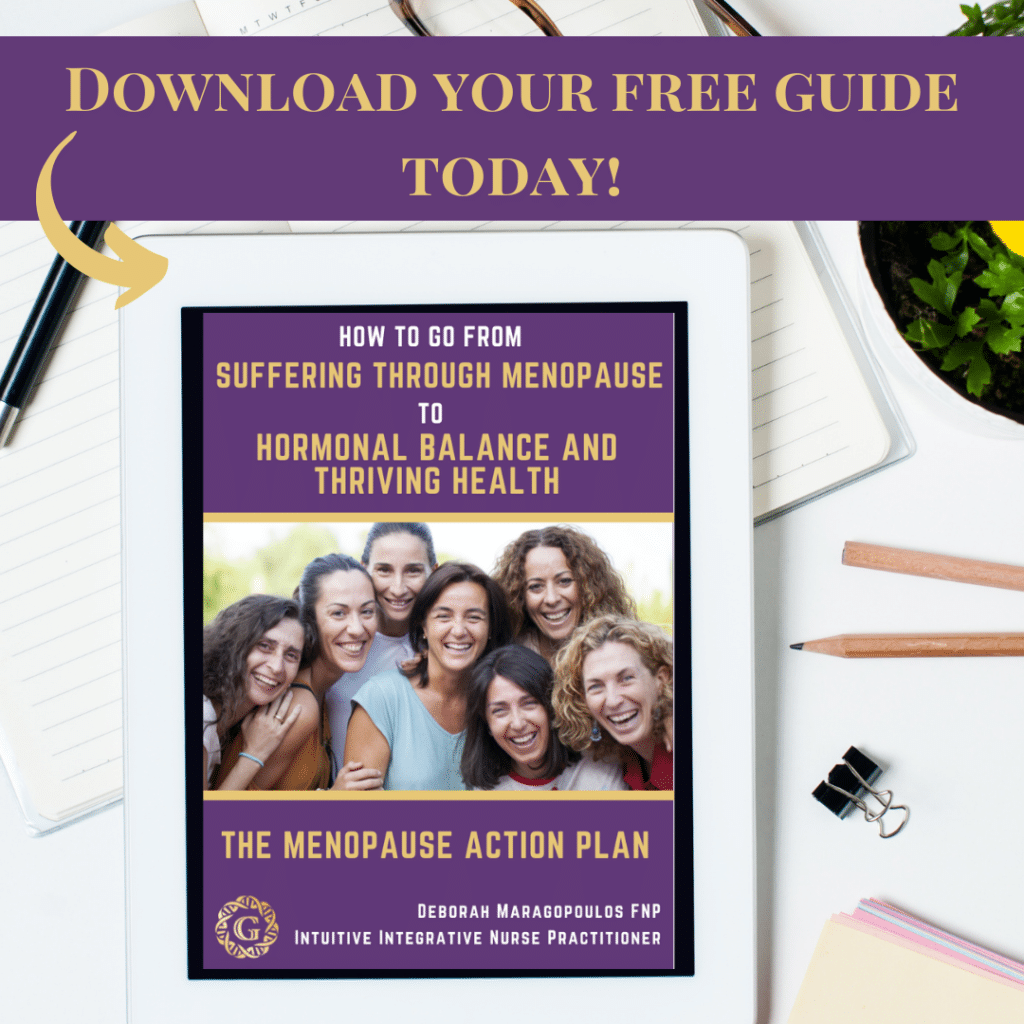
Because of all these factors, you need a plan. Feel free to download my free Menopause Action Plan guide, and be ready to take control of the change.
Research Reference: Hypothalamic integration of immune function and metabolism, Research provides new insights into menopause and weight gain, Sexually Differentiated Neuron Populations in the Ventromedial Hypothalamus Contribute to Sex-Specific Regulation of Energy Balance.
*Statements not reviewed by the FDA.

Great info 👍 thank you!