Stuck in Fight or Flight? Here’s What’s Really Happening

by Deborah Maragopoulos FNP | Apr 30, 2026 | Hypothalamus, Mind/Body | 0 comments

Your heart races for no reason. Your shoulders are always tight. Your jaw clenches in your sleep. Nothing is wrong. No crisis, no emergency, and yet your body acts like the threat never ended. If you've ever thought I should feel fine, but I don't. This is not a mindset problem. It's a regulation problem (fight or flight), and it lives in the hypothalamus.

Why You Can’t “Just Relax”

I am Deborah Maragopoulos, FNP, an integrative nurse practitioner, and for over 30 years, I've worked with people whose lives look stable, but whose nervous systems are not. These are often the people who tell me, I don't know why I can't relax anymore. I should feel fine, but I don't. I'm always on edge, even when nothing is happening.

There is a physiological explanation for this, and once you understand it, the shame falls away.

This is the part that explains why "just relax" has never worked and never will.

When Fight or Flight Never Turns Off

Fight or flight is not supposed to be permanent. It's meant to activate briefly and then shut off. But when stress is chronic, unresolved, or repeated over time, something changes.

The amygdala continues to signal danger even after the threat has passed, and the hypothalamus keeps responding as if survival is still the priority.

This can happen after:

  • long-term caregiving
  • emotionally unsafe relationships
  • childhood trauma
  • chronic illness
  • sleep deprivation
  • hormonal disruption
  • blood sugar instability
  • inflammation
  • years of pushing through

Eventually, the nervous system forgets how to stand down, not because you're weak, but because the brake system never fully reengaged.

What Your Body Actually Responds To

Here's the most important thing I want you to understand.

The hypothalamus does not respond to reassurance. It responds to signals.

You can tell yourself you're safe, but if your internal chemistry says otherwise, the body won't listen.

Biological safety is created through:

  • stable blood sugar
  • predictable rhythms
  • adequate neurotransmitter support
  • circadian alignment
  • hormonal balance
  • reduced inflammatory signaling

Until those signals are restored, the nervous system stays vigilant, even in a calm environment.

Why Common Approaches Fall Short

This is why talk therapy alone sometimes stalls, why meditation helps temporarily, but doesn't hold, and why relaxing feels impossible.

Your body isn't resisting peace. It just hasn't received the biological signal yet, and this is why what you've been told about your own experience might be wrong.

Many people in this state are told they're anxious, but anxiety is a description, not a cause.

What's often really happening is elevated cortisol at the wrong time, altered prolactin and dopamine signaling, disrupted circadian rhythms, hypothalamic fatigue, and nervous system overload.

What Happens When You Support the Hypothalamus

When we support the hypothalamus properly, the nervous system doesn't have to be talked down. It naturally settles.

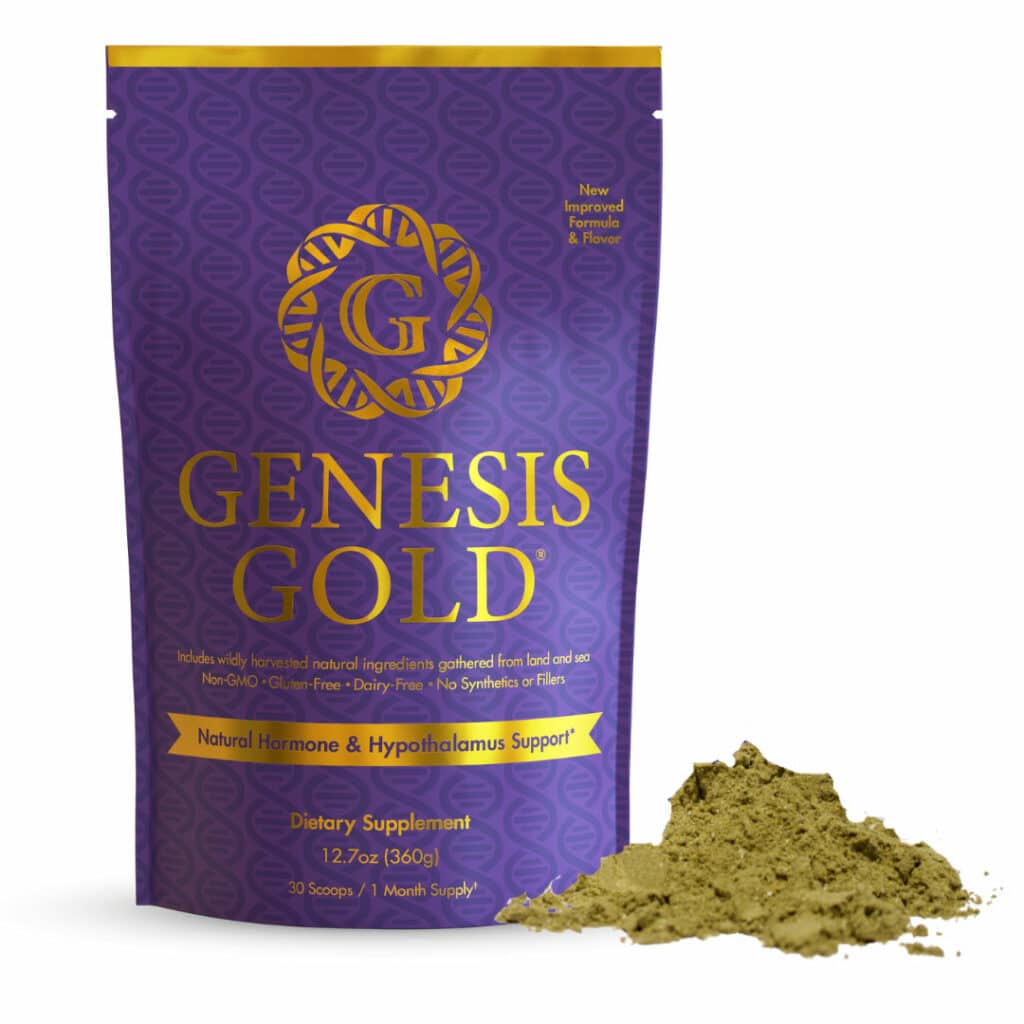
This is exactly why I created Genesis Gold®: not to suppress stress, not to stimulate energy, not to force calm.

Genesis Gold® was designed to restore hypothalamic communication so the body can remember how to move out of fight or flight on its own.

It provides targeted amino acids for neurotransmitter balance, phytonutrients to calm inflammatory signaling, adaptogenic to stabilize stress access, and foundational nutrition that helps the nervous system feel safe enough to regulate.

Many people tell me that after consistent use, their stress response feels less reactive. Sleep deepens. Their bodies stop bracing all the time, and they finally feel like they can exhale.

Final Thoughts

If you want to understand the full picture before taking the next step, join my free Hormone Reboot Training.

If you've been stuck in fight or flight, even when life looks fine, please hear this.

You're not broken.
Your body isn't overreacting.

Your nervous system is doing exactly what it would learn to do, and with the right support, it can learn something new.

Your body wants to feel safe again. You just need to give it the right signal.
Frequently Asked Questions:

Can your hypothalamus cause weight gain?

Yes. The hypothalamus is the master regulator of metabolism, controlling how your body stores and burns energy through its signaling to the thyroid, adrenals, and pancreas. When the hypothalamus becomes dysregulated by chronic stress, poor sleep, inflammation, or blood sugar instability, it defends a higher weight "set point" — causing the body to hold onto fat regardless of diet or exercise. This makes hypothalamic dysfunction an upstream root cause of stubborn weight gain.


What is a weight set point and why won't mine move?

A weight set point is the body weight your hypothalamus works to defend, calibrated over time by stress, sleep, hormones, and inflammation. When you diet, the hypothalamus perceives scarcity and responds by slowing metabolism, increasing hunger hormones, and suppressing satiety signals to return you to that set point. This is why most people regain lost weight within two to five years of conventional dieting — the set point itself was never recalibrated, only temporarily overridden.


Why do I gain weight under stress even when I'm not eating more?

Chronic stress raises cortisol, which disrupts blood sugar regulation, promotes abdominal fat storage, and signals the hypothalamus that the body is under threat. In survival mode, the hypothalamus defends fat stores and slows metabolism — so weight can increase even without any change in calorie intake. The stress chemistry, not the food, is driving the weight gain, which is why stress reduction is essential to any lasting metabolic reset.


Why do I regain weight after stopping GLP-1 medications?

GLP-1 medications work peripherally on appetite and gastric signaling, but they do not address the underlying hypothalamic dysregulation that sets your defended weight. Because the hypothalamic set point is never recalibrated, the body resumes defending its original weight once the medication stops — leading to significant regain. Long-term success requires restoring hypothalamic regulation so the set point itself lowers, rather than relying on appetite suppression alone.


How long does it take to reset your metabolism?

Genuine metabolic recalibration takes a minimum of 90 days, because the hypothalamus needs consistent signals of safety and sufficiency before it will lower its defended set point. This differs from a diet, which produces temporary suppression the body quickly corrects. A 90-day reset typically moves through three phases: stabilizing stress chemistry (days 1–30), rebuilding metabolic efficiency (days 31–60), and lowering the weight set point (days 61–90).


Why does my thyroid feel slow even though my labs are "normal"?

Under chronic stress, the body converts thyroid hormone into reverse T3, which blocks active thyroid receptors and slows metabolism at the cellular level — even when standard lab values appear normal. This means you can experience genuine symptoms of slow metabolism, such as fatigue, cold intolerance, and brain fog, while your thyroid panel looks unremarkable. Addressing the upstream hypothalamic and stress signaling often improves thyroid conversion and symptoms.


Is stubborn weight gain a willpower problem?

No. Stubborn weight gain is a signaling problem, not a willpower problem. The hypothalamus governs weight through survival mechanisms that operate below conscious control — defending its set point by slowing metabolism and increasing hunger when it perceives threat. No amount of discipline can override this system; lasting change comes from restoring hypothalamic regulation through reduced stress, balanced blood sugar, restorative sleep, and targeted nutritional support.

About the Author - Deborah Maragopoulos FNP

Known as the Hormone Queen®️, I’ve made it my mission to help everyone - no matter their age - balance their hormones, and live the energy and joy their DNA and true destiny desires. See more about me my story here...


Last Updated: April 30, 2026

0 Comments

Submit a Comment

Your email address will not be published. Required fields are marked *