
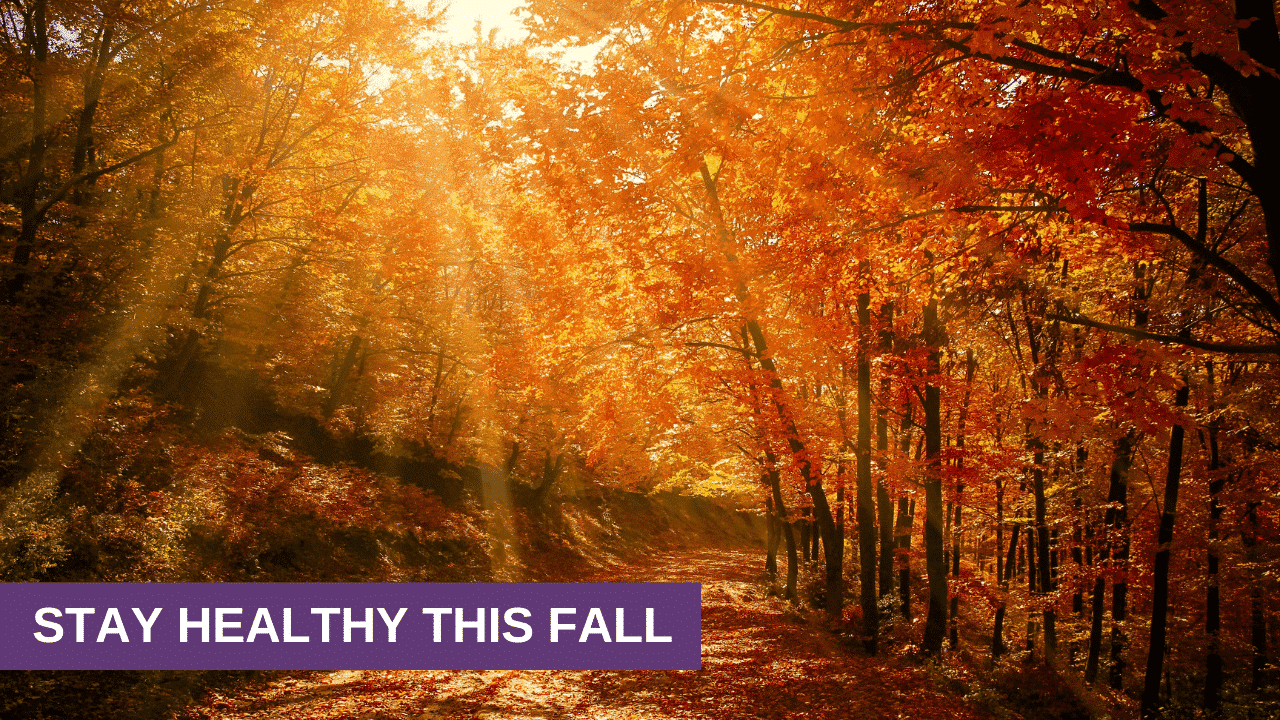
Does your health shift with the seasons? Yes?
Let's talk about how to stay healthy in the fall.
Every Fall Equinox I am reminded of the very first time in over 20 years, I did not suffer from seasonal affective disorder. In the spring of 2000, I started taking hypothalamus support - the beta version of Sacred Seven® amino acids.
By the fall as the days started to get shorter and the nights longer, I began craving orange vegetables - pumpkin, yams, butternut squash - couldn't get enough of them. And for the first time ever, I did not have seasonal affective disorder. With hypothalamic nutraceutical support, I was craving what my body needed to keep my brain chemistry balanced. Your hypothalamus controls your moods, memory, and metabolism and is extremely sensitive to your nutritional status.
Your hypothalamus is also very sensitive to the changing seasons.
What's happening hormonally during the fall?
After high output all summer, your adrenal glands need a break. You may have some cortisol spikes at night that actually wake you up, while low daytime cortisol makes you tired. Cellular metabolism slows down leading to gain in fat - especially around your middle as you prepare for the winter to come.
Here are the five things you can do to thrive in the fall.
1. Your hypothalamus is the master controller of all your hormones, neurotransmitters, and immune factors.
Since taking Genesis Gold®, for over 20 years, my hypothalamus naturally guides me to eat the foods my body needs, get enough activity for the season, adjust my sleep routine, and even helps to shift my mindset towards seasonal healing. Staying healthy in the fall is even more important now that I have a granddaughter in preschool who brings home all kinds of germs.
With the support of Genesis Gold®, I don't catch the myriad of preschool viruses.
Your hypothalamus communicates with you through cravings, even through dreams. If you pay attention, you’ll have better health physically, emotionally, and spiritually. Supporting your hypothalamus nutraceutically helps you transition gracefully through the seasons.
2. Consume a healthy fall diet.
If your diet stays the same all year, your body's not going to get the nutrition it needs. As the fall vegetation shifts, it's time to start shifting your diet. Eat what's locally grown and in season. You may be craving more carbohydrates, because you need to make more serotonin so you can make more melatonin and sleep through the longer autumn nights. You still need adequate protein and fat, but you may need to eat a little more carbohydrates, especially in the evening time.
If you're trying to lose weight, you will want to eat your carbohydrates before dusk to increase your daytime serotonin. The most nutritious carbohydrates are those orange vegetables - rich in fiber as well as minerals and vitamins, especially beta carotene.
3. Get active.
Lots of people slow down as the days get shorter, but your brain chemistry is better balanced and you’ll sleep better if you exercise early in the day. For a healthy metabolism, try to get aerobic exercise daily with some strength training and stretching throughout the week.
Exercising in the evening spikes your cortisol wand and will interfere with your ability to fall asleep.
4. Get enough sleep.
In the fall, sleep is definitely affected. You feel like you need more sleep as the nights are getting longer but you may be having trouble falling asleep. It's super important that you pay attention to your nighttime rituals. Your hypothalamus actually remembers your nighttime rituals and will produce sleep hormones if you stick with a routine.
Establishing a good sleep routine that actually helps you to fall asleep, adjusting it with the time, will make a big difference in getting enough sleep. Adults need at least seven to nine hours of sleep a night. Waking up with the sun can help to reset your metabolism, with adequate dopamine and cortisol.
5. Adopt a healthy mindset.
The fall is the time to let go of beliefs and actions that are no longer serving you. You can't start new healthy habits unless you let go of the old ones that are holding you back. I like to make a list of all the things I'm ready to release - habits, beliefs, even relationships. Whatever is no longer serving your highest good - fall is a good time to let it go.
I write down what I wish to release and then burn the list. Releasing what is no longer serving your divine purpose allows room for new growth. Just like trees lose their leaves every fall to allow new growth in spring.
Stay Healthy in the Fall
So to stay healthy in the fall, you need to support your hypothalamus nutraceutically with Genesis Gold®, eat nutritious foods, be sure you're getting enough activity, make sure you're getting seven to nine hours of sleep, and let go of those beliefs, habits, and thoughts that are not allowing you to reach your highest potential.
If you have any questions about seasonal health and your hypothalamus please join us in our Hormone Reboot Training.

0 Comments