
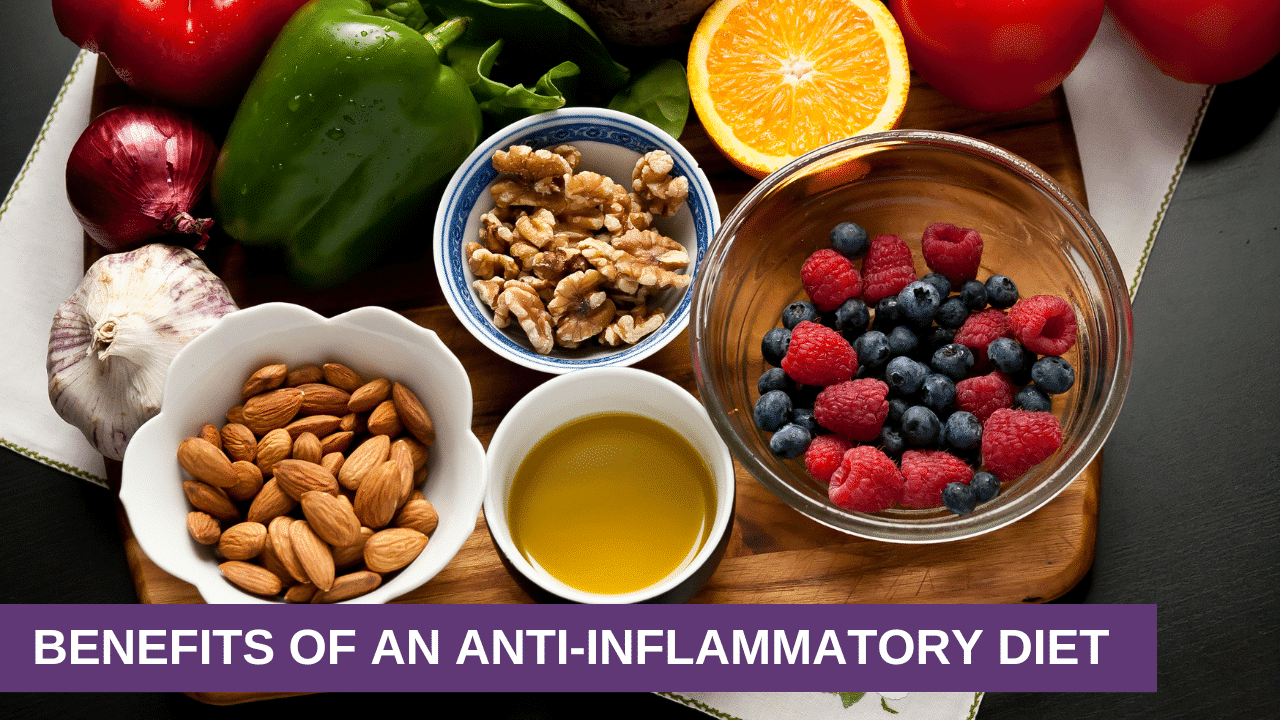
Benefits of an Anti-Inflammatory Diet

by Deborah Maragopoulos FNP | Apr 13, 2023 | Hypothalamus, Men's Health, Weight Management, Women's Health | 0 comments

What are the benefits of an anti-inflammatory diet? Let’s talk about it.

An anti-inflammatory diet is a diet that does not promote inflammation.

Studies show that diets high in saturated fats and sugar increase inflammation of the cardiovascular system, promote diabetes, increase the risk of stroke, dementia, and contribute to aging.

An anti-inflammatory diet is plant-based, rich in a variety of colorful fruits and vegetables, grains, legumes, nuts, and seeds. This diet is low glycemic, avoiding sweets and starches, especially the white carbs – white flour, white rice, white potatoes, and pasta. Polyunsaturated fats make up 25-30% of an anti-inflammatory diet, especially those that are rich in omega threes. The basis of the diet is olive oil, avocados, nuts, seeds and fatty fish which are rich in omega3 fatty acids.

Be sure you’re getting adequate protein to maintain and build lean body mass.

The benefits of an anti-inflammatory diet include:

  • Lower risk of cardiovascular disease, stroke, and heart attack
  • Lower risk of metabolic diseases including diabetes, insulin resistance, and metabolic syndrome
  • Lower risk of obesity
  • Lower risk of arthritis
  • Much more graceful aging
This type of diet can actually help to keep your hormones in better balance.  

Diets that are rich in saturated fats, low in vegetables, high in high glycemic index carbohydrates are pro-inflammatory and have been shown to cause hormonal imbalance. That’s because your hypothalamus c is very sensitive to your nutrition, toxins, and inflammation. 

A plant-based, PUFA-rich anti-inflammatory diet is going to be high in antioxidants, which protects your hypothalamus. Micro inflammation in the hypothalamus creates hormonal imbalances and is a contributor to dementia as well as other neurological conditions.

Hypothalamus microinflammation contributes to central obesity, diabetes, and cardiovascular disease. Hypothalamus microinflammation creates sex hormone imbalances, leading to polycystic ovary syndrome and infertility. hypogonadism, premature ovarian failure, as well as hypothyroidism, and adrenal issues. An anti-inflammatory diet is critical to maintaining your hormonal health as well as preventing chronic illnesses. 

If you have any questions about an anti-inflammatory diet, please join me in our Hormone Support Group where I answer your questions live. You can access it by signing up for my free Hormone Reboot Training.

References:

Hypothalamus and anti inflammatory diet https://www.ncbi.nlm.nih.gov/pmc/articles/PMC6717768/ 

Frequently Asked Questions:

Can your hypothalamus cause weight gain?

Yes. The hypothalamus is the master regulator of metabolism, controlling how your body stores and burns energy through its signaling to the thyroid, adrenals, and pancreas. When the hypothalamus becomes dysregulated by chronic stress, poor sleep, inflammation, or blood sugar instability, it defends a higher weight "set point" — causing the body to hold onto fat regardless of diet or exercise. This makes hypothalamic dysfunction an upstream root cause of stubborn weight gain.


What is a weight set point and why won't mine move?

A weight set point is the body weight your hypothalamus works to defend, calibrated over time by stress, sleep, hormones, and inflammation. When you diet, the hypothalamus perceives scarcity and responds by slowing metabolism, increasing hunger hormones, and suppressing satiety signals to return you to that set point. This is why most people regain lost weight within two to five years of conventional dieting — the set point itself was never recalibrated, only temporarily overridden.


Why do I gain weight under stress even when I'm not eating more?

Chronic stress raises cortisol, which disrupts blood sugar regulation, promotes abdominal fat storage, and signals the hypothalamus that the body is under threat. In survival mode, the hypothalamus defends fat stores and slows metabolism — so weight can increase even without any change in calorie intake. The stress chemistry, not the food, is driving the weight gain, which is why stress reduction is essential to any lasting metabolic reset.


Why do I regain weight after stopping GLP-1 medications?

GLP-1 medications work peripherally on appetite and gastric signaling, but they do not address the underlying hypothalamic dysregulation that sets your defended weight. Because the hypothalamic set point is never recalibrated, the body resumes defending its original weight once the medication stops — leading to significant regain. Long-term success requires restoring hypothalamic regulation so the set point itself lowers, rather than relying on appetite suppression alone.


How long does it take to reset your metabolism?

Genuine metabolic recalibration takes a minimum of 90 days, because the hypothalamus needs consistent signals of safety and sufficiency before it will lower its defended set point. This differs from a diet, which produces temporary suppression the body quickly corrects. A 90-day reset typically moves through three phases: stabilizing stress chemistry (days 1–30), rebuilding metabolic efficiency (days 31–60), and lowering the weight set point (days 61–90).


Why does my thyroid feel slow even though my labs are "normal"?

Under chronic stress, the body converts thyroid hormone into reverse T3, which blocks active thyroid receptors and slows metabolism at the cellular level — even when standard lab values appear normal. This means you can experience genuine symptoms of slow metabolism, such as fatigue, cold intolerance, and brain fog, while your thyroid panel looks unremarkable. Addressing the upstream hypothalamic and stress signaling often improves thyroid conversion and symptoms.


Is stubborn weight gain a willpower problem?

No. Stubborn weight gain is a signaling problem, not a willpower problem. The hypothalamus governs weight through survival mechanisms that operate below conscious control — defending its set point by slowing metabolism and increasing hunger when it perceives threat. No amount of discipline can override this system; lasting change comes from restoring hypothalamic regulation through reduced stress, balanced blood sugar, restorative sleep, and targeted nutritional support.

About the Author - Deborah Maragopoulos FNP

Known as the Hormone Queen®️, I’ve made it my mission to help everyone - no matter their age - balance their hormones, and live the energy and joy their DNA and true destiny desires. See more about me my story here...


Last Updated: April 13, 2023

0 Comments

Submit a Comment

Your email address will not be published. Required fields are marked *