When Your Gut Makes You Anxious

by Deborah Maragopoulos FNP | Oct 27, 2016 | Gut Health | 0 comments

Remember, your gut is your second brain. And it influences the brain in your head.

Mitch came to me with severe anxiety. He had been suffering from panic attacks, insomnia, and generalized anxiety for months. His doctors had given him anti-anxiety meds but he wanted off. He wanted his life back.

As a professional artist, Mitch found the treatment to be nearly as debilitating as the panic attacks. Like the Scarecrow in the Wizard of Oz, Mitch felt like his brain wasn't working. The drugs blocked his creative abilities so much so that he couldn't work, he couldn't support himself, and that made him more depressed, more anxious.

This wasn't the first time Mitch had had debilitating panic attacks. I asked him if he had ever been treated with antibiotics. As a matter of fact, he had – both times he had panic attacks. Mitch had been treated for prostatitis with a long heavy course of antibiotics twice. And twice he had severe panic attacks that sent him into the emergency room.

The antibiotics killed off all of Mitch’s gut bacteria. Without his beneficial bacteria, Mitch’s gut began producing some anxiety-inducing hormones. His hypothalamus got wind of the havoc in his gut and triggered Mitch’s brain to go into survival mode. Without a real enemy to fight or flee, Mitch experienced severe anxiety and panic attacks.

So we healed his gut with a regimen designed to eradicate the gangster microbes, repair his leaky gut lining, and replenish his beneficial gut flora. Plus, we healed his hypothalamic imbalance with and got him off the drugs.

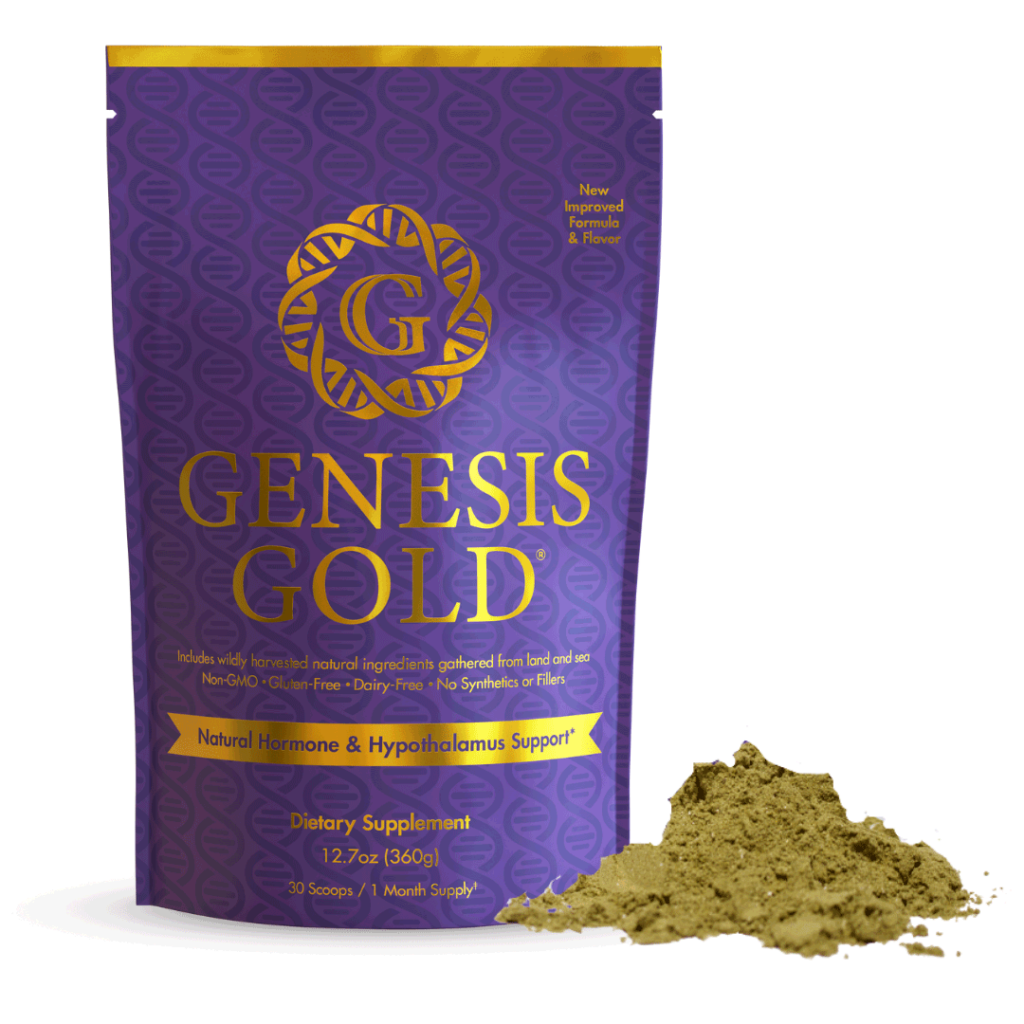
Mitch called a couple of months later to thank me. His blood tests had improved so much, his doctor said to continue whatever he was doing. No more drugs – just healthy diet, lifestyle, and Genesis Gold®.

Excerpt from the international best selling book - Hormones in Harmony®

Buy the Hormones in Harmony Book

Available on Amazon

Genesis Gold New Bag
Buy Now

Frequently Asked Questions:

Can your hypothalamus cause weight gain?

Yes. The hypothalamus is the master regulator of metabolism, controlling how your body stores and burns energy through its signaling to the thyroid, adrenals, and pancreas. When the hypothalamus becomes dysregulated by chronic stress, poor sleep, inflammation, or blood sugar instability, it defends a higher weight "set point" — causing the body to hold onto fat regardless of diet or exercise. This makes hypothalamic dysfunction an upstream root cause of stubborn weight gain.


What is a weight set point and why won't mine move?

A weight set point is the body weight your hypothalamus works to defend, calibrated over time by stress, sleep, hormones, and inflammation. When you diet, the hypothalamus perceives scarcity and responds by slowing metabolism, increasing hunger hormones, and suppressing satiety signals to return you to that set point. This is why most people regain lost weight within two to five years of conventional dieting — the set point itself was never recalibrated, only temporarily overridden.


Why do I gain weight under stress even when I'm not eating more?

Chronic stress raises cortisol, which disrupts blood sugar regulation, promotes abdominal fat storage, and signals the hypothalamus that the body is under threat. In survival mode, the hypothalamus defends fat stores and slows metabolism — so weight can increase even without any change in calorie intake. The stress chemistry, not the food, is driving the weight gain, which is why stress reduction is essential to any lasting metabolic reset.


Why do I regain weight after stopping GLP-1 medications?

GLP-1 medications work peripherally on appetite and gastric signaling, but they do not address the underlying hypothalamic dysregulation that sets your defended weight. Because the hypothalamic set point is never recalibrated, the body resumes defending its original weight once the medication stops — leading to significant regain. Long-term success requires restoring hypothalamic regulation so the set point itself lowers, rather than relying on appetite suppression alone.


How long does it take to reset your metabolism?

Genuine metabolic recalibration takes a minimum of 90 days, because the hypothalamus needs consistent signals of safety and sufficiency before it will lower its defended set point. This differs from a diet, which produces temporary suppression the body quickly corrects. A 90-day reset typically moves through three phases: stabilizing stress chemistry (days 1–30), rebuilding metabolic efficiency (days 31–60), and lowering the weight set point (days 61–90).


Why does my thyroid feel slow even though my labs are "normal"?

Under chronic stress, the body converts thyroid hormone into reverse T3, which blocks active thyroid receptors and slows metabolism at the cellular level — even when standard lab values appear normal. This means you can experience genuine symptoms of slow metabolism, such as fatigue, cold intolerance, and brain fog, while your thyroid panel looks unremarkable. Addressing the upstream hypothalamic and stress signaling often improves thyroid conversion and symptoms.


Is stubborn weight gain a willpower problem?

No. Stubborn weight gain is a signaling problem, not a willpower problem. The hypothalamus governs weight through survival mechanisms that operate below conscious control — defending its set point by slowing metabolism and increasing hunger when it perceives threat. No amount of discipline can override this system; lasting change comes from restoring hypothalamic regulation through reduced stress, balanced blood sugar, restorative sleep, and targeted nutritional support.

About the Author - Deborah Maragopoulos FNP

Known as the Hormone Queen®️, I’ve made it my mission to help everyone - no matter their age - balance their hormones, and live the energy and joy their DNA and true destiny desires. See more about me my story here...


Last Updated: December 16, 2021

0 Comments

Submit a Comment

Your email address will not be published. Required fields are marked *