
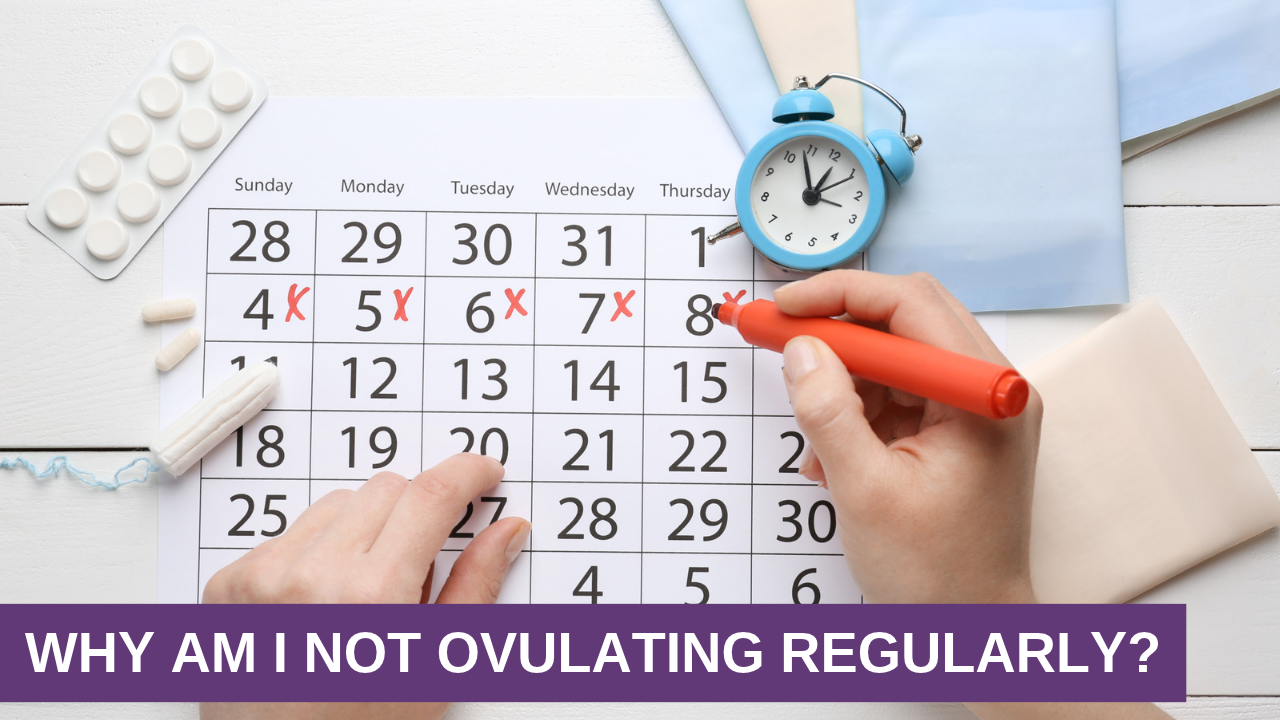
If your periods are irregular and you never really know when you’re ovulating, this is for you. I’m going to go deeper than most explanations of this, because the real root is almost always in the same place: your hypothalamus.
Ovulation is controlled by what’s called the hypothalamic-pituitary-ovarian axis. Your hypothalamus releases GnRH in precise, rhythmic pulses — not a steady stream, but a specific pulse pattern. That pulsing is what tells your pituitary to release FSH and LH in the right sequence to mature a follicle and trigger ovulation. When your hypothalamus is functioning well, that pulse pattern is predictable, and so is your cycle.
A Dysregulated Hypothalamus
But when your hypothalamus becomes dysregulated — from chronic stress, inflammation, or poor nutrition — that GnRH pulse pattern breaks down. The signal to your ovaries becomes irregular or stops altogether. This is the actual root of anovulation, including in PCOS, where the hypothalamic-pituitary-ovarian communication is disrupted rather than the ovaries simply “not working.”
And your hypothalamus controls more than one axis. It also regulates your thyroid. When hypothalamic dysfunction slows thyroid hormone production, your metabolism slows down — including ovarian metabolism — which further interferes with your ability to ovulate regularly.
There’s a third piece almost nobody talks about: prolactin. Your hypothalamus produces prolactin- its job is to run your immune system overnight while you sleep. It’s supposed to be low during the day. But when prolactin stays elevated during the day, it interferes with cellular receptivity — meaning estrogen and progesterone have a harder time actually getting into the cells they’re supposed to act on. That disrupts the hypothalamic-pituitary-ovarian axis further and can result in anovulation.
Why Might You Not Be Ovulating?
It’s rarely just one thing.
It’s your hypothalamus, under strain from stress, inflammation, poor nutrition, or thyroid dysfunction, losing its ability to send a clean, rhythmic signal to your ovaries.
What Should You Do?
#1: Track What Your Cycle Is Doing
Pay attention to how often you’re getting a period and whether you notice signs of ovulation. An LH urine test can help identify the hormone surge that happens right before ovulation.
#2: Get Evaluated if Ovulation Stays Irregular, Especially If You’re Trying to Conceive
Depending on your symptoms, your healthcare provider may look at progesterone, thyroid hormones, prolactin, insulin-related markers, and signs of PCOS.
#3: Support the Basics That Affect Reproductive Health
Regular sleep, daily movement, good nutrition, and addressing insulin resistance when it’s present can all be important parts of restoring that GnRH pulse pattern.
Irregular ovulation isn’t about one hormone being “too high” or “too low” in isolation — it’s about whether your hypothalamus can send a clean signal down that whole axis.
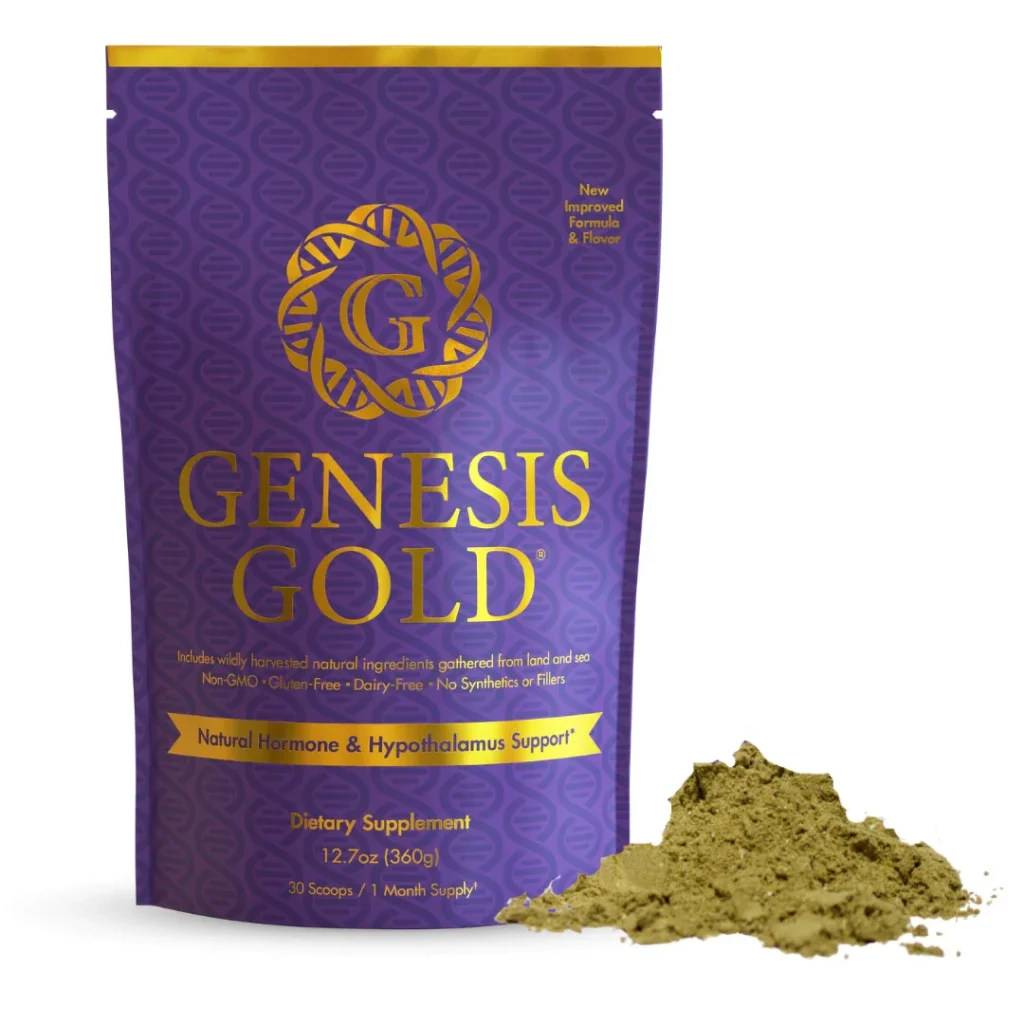
That's why I created Genesis Gold® to optimize hypothalamic function; one of the biggest changes I saw in my younger patients was predictable reproductive cycles and ovulation returning. Fertility returned for the majority of them within three to six months.
If you want to understand how your hypothalamus, GnRH, thyroid, and prolactin all fit together to control ovulation, that’s what I teach in my Free Hormone Reboot Training.


0 Comments