
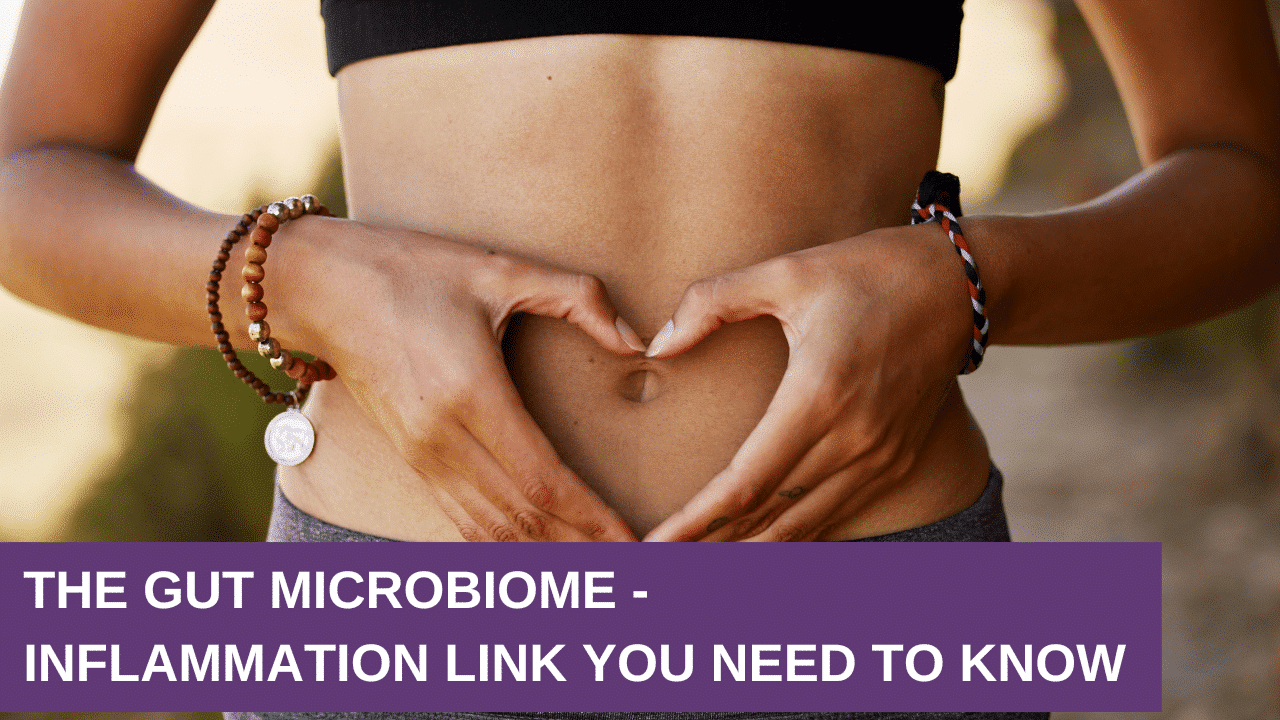
The Gut Microbiome – Inflammation Link You Need to Know

by Deborah Maragopoulos FNP | Mar 9, 2024 | Hypothalamus, Gut Health | 0 comments

Did you know that your gut microbiome influences inflammation systemically?

Let's talk about it.

In the past few years, science has shown that the gut microbiome encompasses a diverse community of bacteria that carry out various functions that influences your overall health.

Your gut microbiome influences nutrient metabolism, immune system regulation, and the natural defense against infection. Certain gut microbiomes are associated with inflammatory molecules that may cause more inflammation in body tissues.

Inflammation underlies many chronic diseases like obesity, arteriosclerosis, type two diabetes, and inflammatory bowel disease. 

Inflammation is triggered by the structural components of some gut bacteria which can result in a cascade of inflammatory pathways. Yet healthy bacteria have an anti-inflammatory influence in your gut.

The metabolic processes of beneficial bacteria create anti-inflammatory components. Particularly short-chain fatty acids play a role in limiting the inflammatory process. So the healthier the bacteria is in your gut, the more anti-inflammatory short-chain fatty acids they produce and the less inflammation you have in your gut, and systemically in the rest of your body. 

So how do you keep your gut microbiome healthy?

#1 - Eating a Plant Based Diet

Your gut microbiome needs fiber in order to survive and produce short-chain fatty acids that have anti-inflammatory effects.

#2 - Supporting Your Hypothalamus Nutraceutically

Genesis Gold® helps improve the communication between the gut microbiome and the hypothalamus and vice versa which lowers inflammation in your body, as well as improves your moods, memory, and generalized systemic functioning.

Scientists are looking at ways to use prebiotics and probiotics to actually decrease inflammation, not only in the gut, but systemically.

If you have any questions about gut microbiome and inflammation, please join me in our Hormone Reboot Training.


Hormone Reboot Training
References

https://www.ncbi.nlm.nih.gov/pmc/articles/PMC7589951/ .

Frequently Asked Questions:

Can your hypothalamus cause weight gain?

Yes. The hypothalamus is the master regulator of metabolism, controlling how your body stores and burns energy through its signaling to the thyroid, adrenals, and pancreas. When the hypothalamus becomes dysregulated by chronic stress, poor sleep, inflammation, or blood sugar instability, it defends a higher weight "set point" — causing the body to hold onto fat regardless of diet or exercise. This makes hypothalamic dysfunction an upstream root cause of stubborn weight gain.


What is a weight set point and why won't mine move?

A weight set point is the body weight your hypothalamus works to defend, calibrated over time by stress, sleep, hormones, and inflammation. When you diet, the hypothalamus perceives scarcity and responds by slowing metabolism, increasing hunger hormones, and suppressing satiety signals to return you to that set point. This is why most people regain lost weight within two to five years of conventional dieting — the set point itself was never recalibrated, only temporarily overridden.


Why do I gain weight under stress even when I'm not eating more?

Chronic stress raises cortisol, which disrupts blood sugar regulation, promotes abdominal fat storage, and signals the hypothalamus that the body is under threat. In survival mode, the hypothalamus defends fat stores and slows metabolism — so weight can increase even without any change in calorie intake. The stress chemistry, not the food, is driving the weight gain, which is why stress reduction is essential to any lasting metabolic reset.


Why do I regain weight after stopping GLP-1 medications?

GLP-1 medications work peripherally on appetite and gastric signaling, but they do not address the underlying hypothalamic dysregulation that sets your defended weight. Because the hypothalamic set point is never recalibrated, the body resumes defending its original weight once the medication stops — leading to significant regain. Long-term success requires restoring hypothalamic regulation so the set point itself lowers, rather than relying on appetite suppression alone.


How long does it take to reset your metabolism?

Genuine metabolic recalibration takes a minimum of 90 days, because the hypothalamus needs consistent signals of safety and sufficiency before it will lower its defended set point. This differs from a diet, which produces temporary suppression the body quickly corrects. A 90-day reset typically moves through three phases: stabilizing stress chemistry (days 1–30), rebuilding metabolic efficiency (days 31–60), and lowering the weight set point (days 61–90).


Why does my thyroid feel slow even though my labs are "normal"?

Under chronic stress, the body converts thyroid hormone into reverse T3, which blocks active thyroid receptors and slows metabolism at the cellular level — even when standard lab values appear normal. This means you can experience genuine symptoms of slow metabolism, such as fatigue, cold intolerance, and brain fog, while your thyroid panel looks unremarkable. Addressing the upstream hypothalamic and stress signaling often improves thyroid conversion and symptoms.


Is stubborn weight gain a willpower problem?

No. Stubborn weight gain is a signaling problem, not a willpower problem. The hypothalamus governs weight through survival mechanisms that operate below conscious control — defending its set point by slowing metabolism and increasing hunger when it perceives threat. No amount of discipline can override this system; lasting change comes from restoring hypothalamic regulation through reduced stress, balanced blood sugar, restorative sleep, and targeted nutritional support.

About the Author - Deborah Maragopoulos FNP

Known as the Hormone Queen®️, I’ve made it my mission to help everyone - no matter their age - balance their hormones, and live the energy and joy their DNA and true destiny desires. See more about me my story here...


Last Updated: March 7, 2024

0 Comments

Submit a Comment

Your email address will not be published. Required fields are marked *