
Are you feeling stuck on your healing journey?
Let's talk about it.
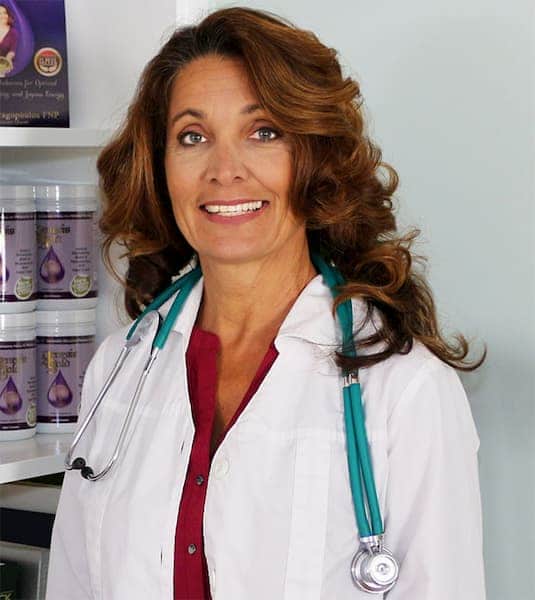
I've been treating patients in my integrative medicine practice since 1997. Most who come to me are what medicine would call trainwrecks. They're complicated cases with multiple diagnoses who’ve seen multiple providers and haven't been able to get better.
So when they come to me, one of the first things that I do is identify the root of their health issues.
I find that the majority of my patients' health issues are rooted in alterations in their hypothalamic function which will affect their neurological system, their immune systems, their endocrine system, and their gut. So we develop an in-depth therapeutic plan focusing on the five pillars of hypothalamic healing.
And they’ll make progress in the beginning.
Then some might feel stuck.
Often it’s related to unresolved issues.
Most of my patients are pretty motivated to change their lifestyle.
They're willing to do what they need to do to have better sleep patterns. improve their nutrition, improve their activity levels, and take supplementation to support their hypothalamus.
Yet sometimes their healing journey hits a wall especially if they’re stuck in their mindset.
What I like to recommend for my patients is to try to do a little meditation, sometimes that means journaling, walking in nature, and asking yourself -
Where are you feeling stuck?
What is actually going on?
How is your healing being affected by your thoughts and beliefs?
Sometimes I can tell by their language if talk about their body in a negative way. I try to explain to them that the body listens to everything and is feeling everything. Positive reinforcement and, yes that includes self-talk, goes a long way in healing.
If you're looking at what's not working, and not focusing on what is working, it’s harder to heal.
I experienced the effect of mindset on my own healing over twenty years ago.
In 2002 I had an accident on my horse where I ended up knocking my front teeth out. While I had to talk my dentist into being more positive about replacing my teeth, I went home feeling sorry for myself. I had asphalt embedded into my swollen face and for the life of me tried to find the gift in the accident.
Then I realized this was my opportunity to practice what I preach.
So I consciously shifted my negativity into positive self-talk. I became my own best health coach, cheerleading myself into healing. I looked in the mirror while I was cleaning out the asphalt and told my body what a great job it was doing at healing. Less than three days after the injury, it looked like nothing happened - no swelling, no bruising, no sign of injury.
I know adopting a healing mindset can work. You just have to focus on your own healing.
So whatever's getting in your way - other responsibilities, your belief systems - it’s time to refocus on your healing.
One of the programs that I've developed to help my clients is our Hormone Healing Circle.
A core group of women who support one another with my expert guidance to help them on their healing journey.
Wherever they're feeling stuck - not just their belief systems, but also practical things - the circle offers advice, support, and accountability. Having other people who've gone through similar issues and are working on their health is really positive - like having a whole team of cheerleaders.
I've also noticed when my patients start supporting their hypothalamus nutraceutically with Genesis Gold®, they become better at listening to their bodies.
When your hypothalamus is better supported, your body doesn't have to scream with illness.
You can hear it whispering and course correct more gracefully.

Very helpful questions & reminders to accept and love the gift of life. How do I join the Hormone Healing Circle?
You can learn about the Hormone Healing Circle https://genesisgold.com/hhc/personal-invitation/