
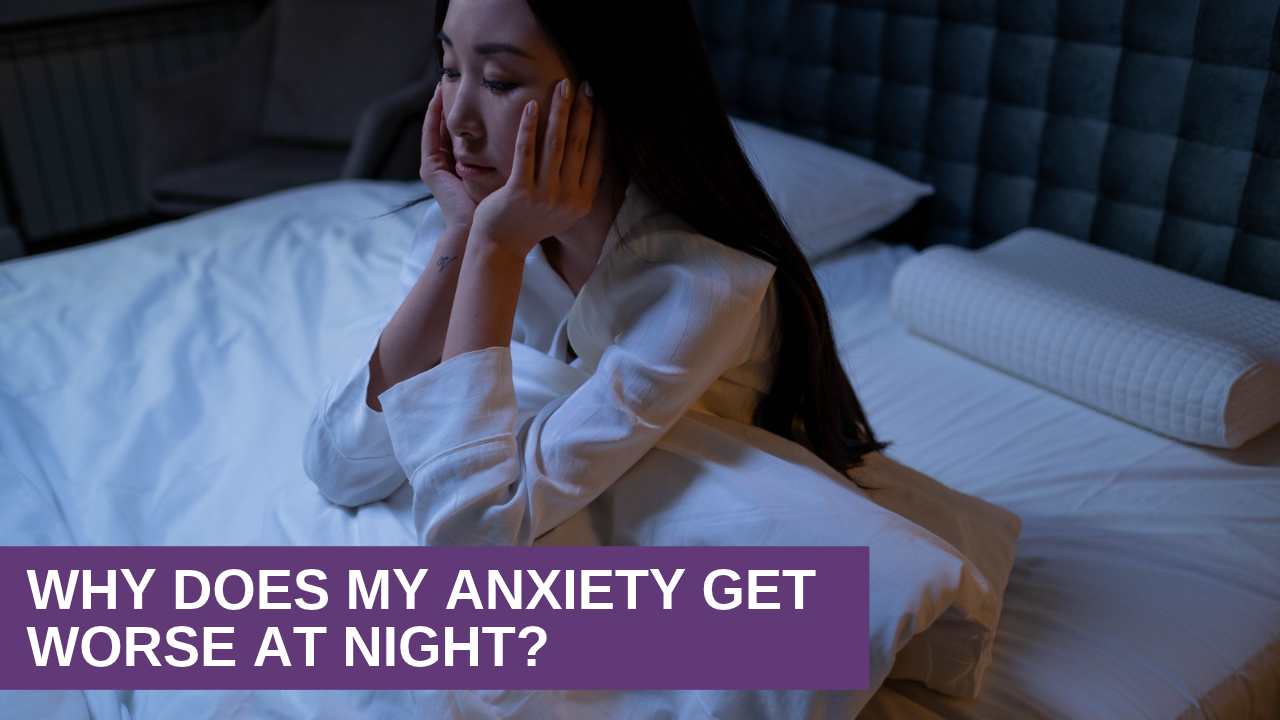
If you feel fine most of the day but your anxiety seems to get worse as soon as you go to bed, this is for you. I’m going to explain the actual hormone mechanism behind this — and it’s more specific than “hormones are changing.”
At night, your HPA axis — the hypothalamus-pituitary-adrenal chain that produces cortisol — is supposed to be quiet.
Cortisol should be at its lowest point of the day, allowing your nervous system to settle down. But when this axis is dysregulated, it doesn’t follow that circadian rhythm anymore. It keeps firing out of sync, sometimes surging right when it should be tapering off, which is exactly why your anxiety can spike at bedtime instead of easing.
Perimenopause and menopause make this worse, and here’s why. Progesterone normally supports GABA - the calming brain chemical that puts the brakes on an overactive nervous system. As progesterone declines starting in perimenopause, GABA production drops with it, so you lose some of your natural ability to downshift at night.
At the same time, declining estrogen reduces serotonin production. Serotonin isn’t just about mood — it’s also the direct precursor your body converts into melatonin. Less serotonin means less raw material available to make melatonin, so your sleep signal weakens right as your calming signal is also weakening. You end up with an HPA axis firing out of rhythm, less GABA to calm it, and less serotonin to convert into the melatonin that should be easing you into sleep.
That combination is why nighttime anxiety intensifies so specifically during this transition.
So What Can You Do?
#1: Give Your Brain a Clear Wind-Down Period
Dim the lights, read something relaxing, take a warm bath — anything that signals the day is ending instead of going straight from stimulation into bed.
#2: Get Your Worries Out of Your Head Before Bed
Write down what’s bothering you earlier in the evening so bed doesn’t become where you process every problem.
#3: Keep Your Bedroom Dark and Your Phone Away
Light interferes with the melatonin signal; you already have less serotonin to build in the first place.
You can also try slowly tightening and relaxing your muscles while breathing slowly if you wake up anxious — it gives your nervous system something physical to do instead of letting the HPA axis keep firing unchecked.
These habits help your nervous system, but they don’t restore full GABA and serotonin production that declining progesterone and estrogen have crashed.
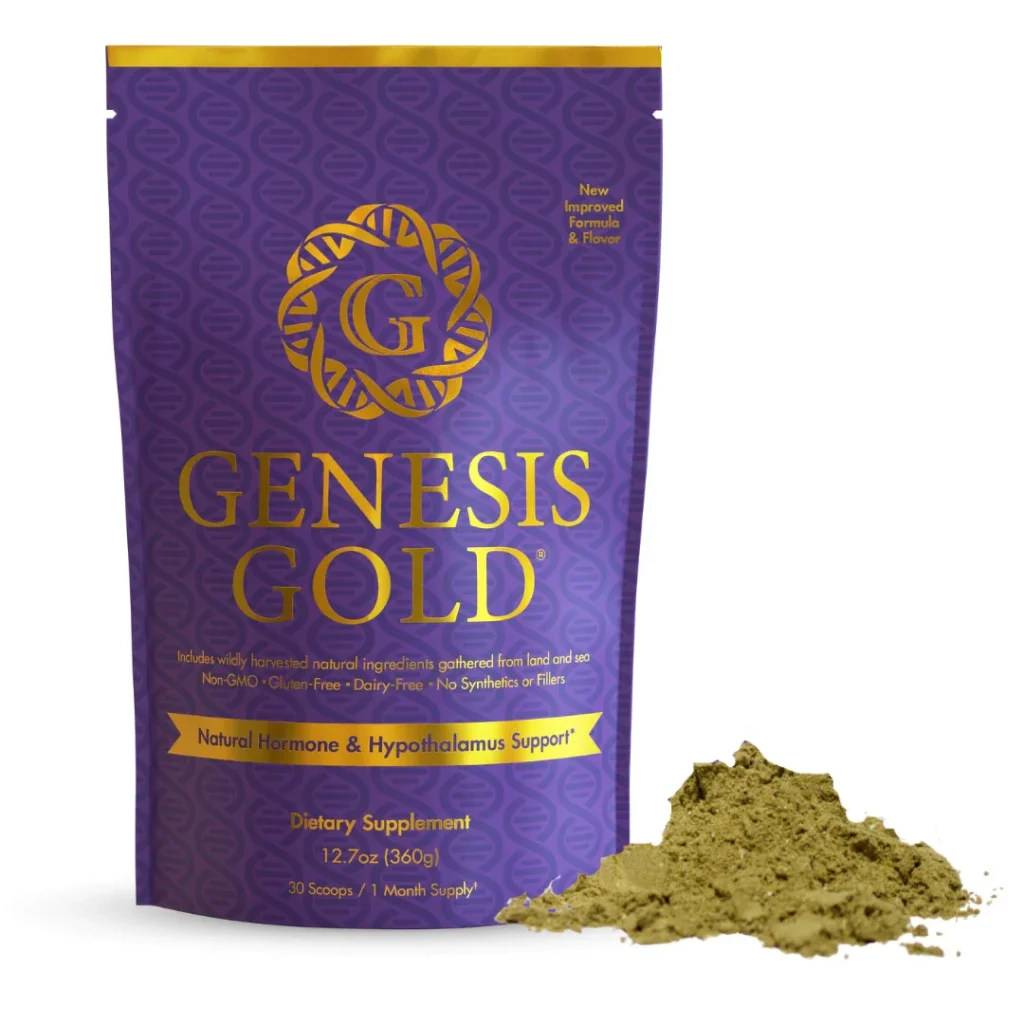
That’s why hypothalamic regulation with nutraceutical support matters here — Genesis Gold® is formulated to help normalize your circadian rhythm and support the hormonal signaling behind GABA and serotonin production, so your HPA axis can actually settle back into its normal day-night pattern instead of firing out of sync at night.
If you want to understand how your HPA axis, GABA, serotonin, and melatonin all connect — and how Genesis Gold® can help support that — that’s what I teach in my Free Hormone Reboot Training.
Genesis Gold® is formulated to support your hypothalamus to help regulate your autonomic nervous system and calm your HPA axis.


0 Comments