
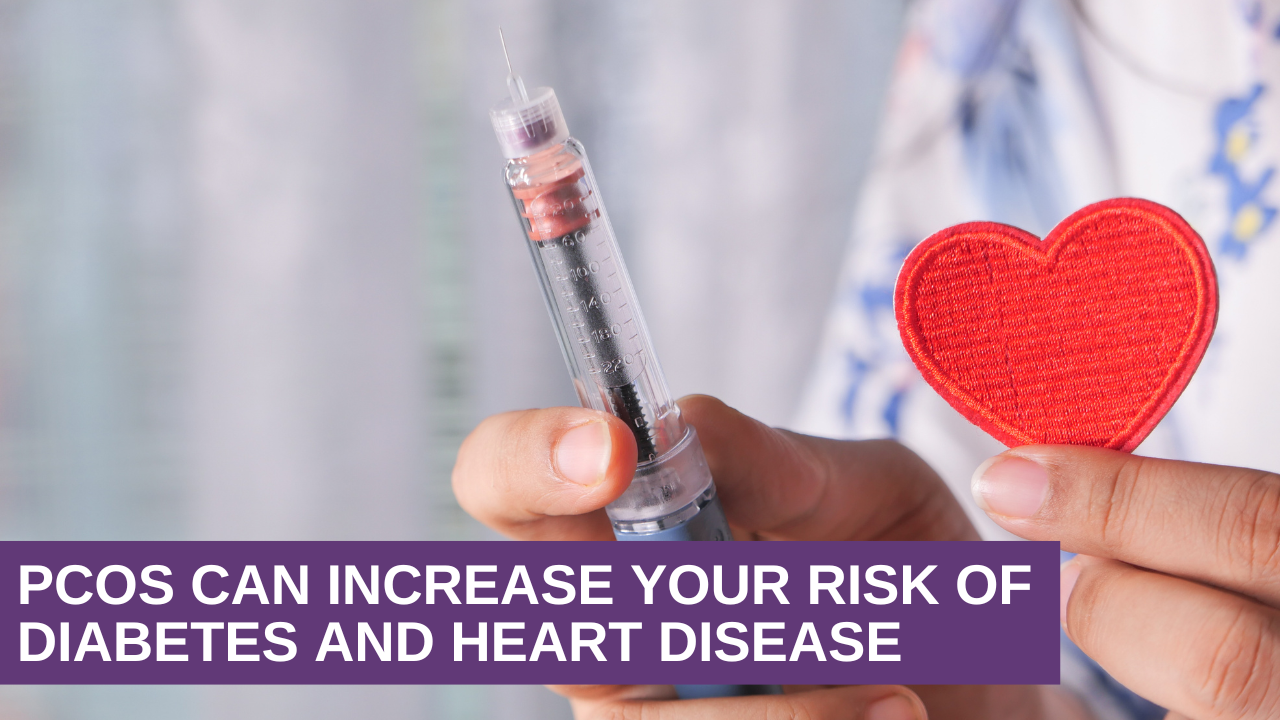
If you have PCOS and you thought it was mainly about irregular periods, acne, or trouble getting pregnant, this is for you. PCOS affects your health far beyond your ovaries, and understanding why starts in a place most explanations skip entirely: your hypothalamus.
PCOS isn’t an ovarian disease; it’s a metabolic disorder that originates in the hypothalamus.
Here’s the sequence:
Inflammation in the hypothalamus increases central insulin resistance — insulin resistance happening in your brain, not just your muscle and fat cells. That central insulin resistance is what drives the metabolic picture we see in PCOS: worsening insulin resistance throughout the body, increased belly fat, and disrupted ovulation.
There’s another piece almost nobody connects to this.
The elevated androgens in PCOS don’t come only from your ovaries. Hypothalamic dysfunction also drives elevated cortisol through an overactive HPA axis, and high cortisol stimulates your adrenal glands to produce more DHEA, which converts into testosterone. So some of the acne, unwanted hair growth, and androgen-related symptoms in PCOS are being driven by your adrenal glands responding to hypothalamic HPA overactivation — not just your ovaries.
This is why PCOS carries increased long-term risk for type 2 diabetes, high blood pressure, high cholesterol, cardiovascular disease, and endometrial cancer. If the central problem in the hypothalamus isn’t addressed, the downstream metabolic consequences continue to build over time, regardless of how well any single symptom like acne or irregular periods is managed.
What Can You Do?
1. Pay Attention to Your Blood Sugar
Talk with your healthcare provider about checking blood sugar and insulin-related markers — insulin resistance can develop well before diabetes does.
2. Work on Insulin Sensitivity
Move more, sit less, and build meals around protein, healthy fats, and vegetables while cutting back on excess sugar and refined starches.
3. Don’t Ignore the Rest of Your Metabolic Health
Blood pressure, cholesterol, waist size, and blood sugar all matter because PCOS affects far more than your menstrual cycle.
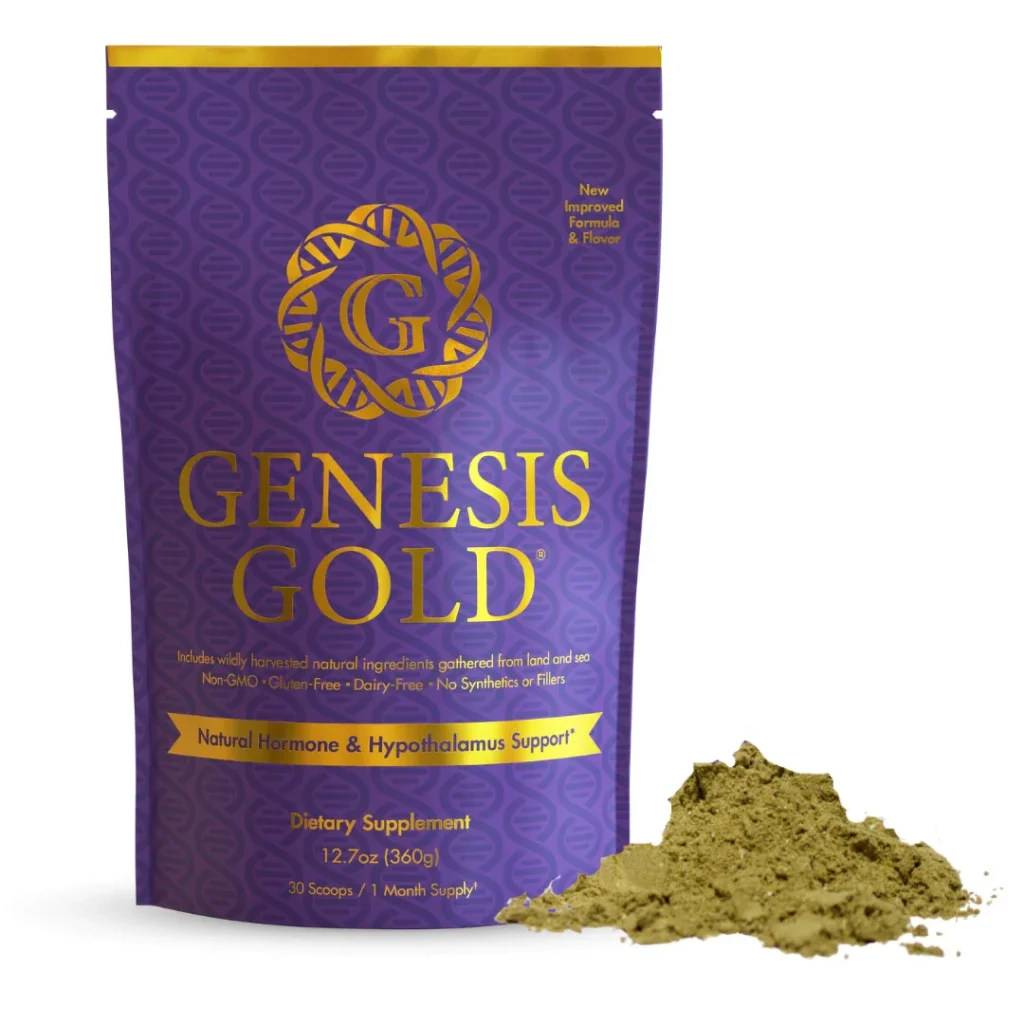
While diet and exercise help manage the downstream effects, if PCOS isn’t addressed centrally, at the level of the hypothalamus, the inflammation driving central insulin resistance and HPA overactivation continues, and the long-term diabetes and heart disease risk remains. That’s exactly why I formulated Genesis Gold® to optimize hypothalamic function — reducing that inflammation, restoring healthier HPA firing so cortisol and DHEA aren’t chronically elevated, and supporting ovarian function at the same time.
If you want to understand how your hypothalamus, insulin resistance, cortisol, and DHEA all connect in PCOS — and how Genesis Gold® can help address it at the root — that’s what I teach in my Free Hormone Reboot Training.

0 Comments