

Raise your temperature to suppress your appetite and lose weight.
Did you ever wonder why your appetite is suppressed after intense exercise dampens appetite?
It’s the heat - some like it hot! Yes, scientists from Albert Einstein College of Medicine just discovered that exercise reduces your appetite. It does so by raising your body temperature. Remember your hypothalamus controls your body temperature as well as your appetite. When you heat up your hypothalamus, your appetite becomes suppressed.
Maybe that’s the basis of the old wives’ tale, “Feed a Fever”?
Temperature receptors in the arcuate nucleus (ARC) located in your hypothalamus help your hypothalamus direct vital biological activities like how fast you burn energy and your appetite. The blood-brain barrier does not protect your hypothalamus. So it’s sensitive to everything your body experiences. Hormones, nutrients, toxins, and temperature changes.
Finally, after twenty years of helping my patients lose weight by balancing their hypothalamic hormone proopiomelanocortin (POMC), scientists confirm my clinical findings! POMC stimulates through the heat produced by intense exercise.
Hypothalamic heat sensors stimulate for over an hour within twenty minutes of exercise. Which reduces food intake by 50%.
Even the heat from capsaicin (an extract of hot pepper) suppressed appetite for up to twelve hours!
So not only is your appetite regulated by hormones and nutrients, it responds to your body temperature. Specifically, your hypothalamus responds to suppress your appetite and curb your food intake. Making weight loss easier.
Your hypothalamus needs help if you’re already exercising regularly and cannot lose weight. All because you haven't suppressed your appetite.
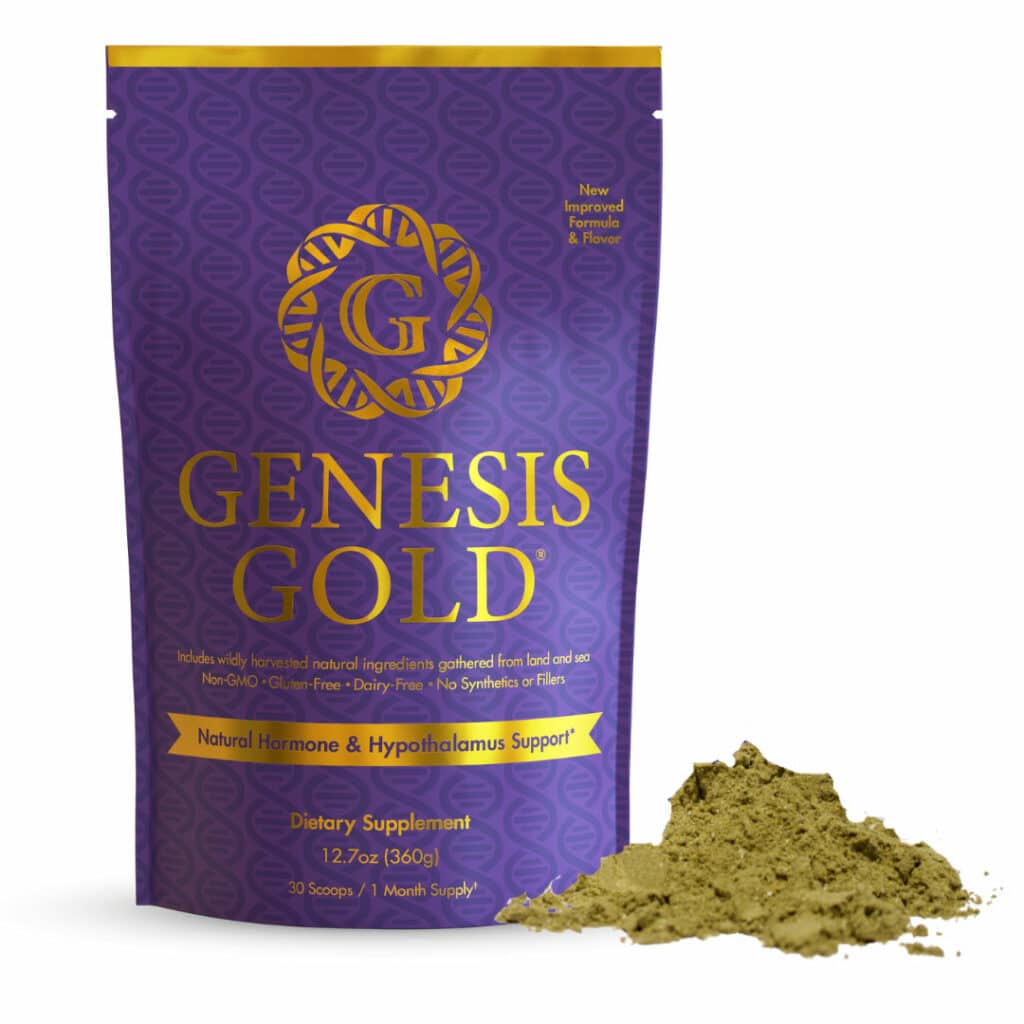
Supporting your hypothalamus with Genesis Gold® will help restore normal neuron function and receptor site activity. Your hypothalamus will then respond appropriately to exercise with reduced appetite. Plus, Genesis Gold® helps raise your metabolism to burn fat. Balancing your hormones and optimizing hypothalamic function is the secret to how Genesis Gold® works.
Reference: “Activation of temperature-sensitive TRPV1-like receptors in ARC POMC neurons reduces food intake.” Jae Hoon Jeong, Ph.D., Dong Kun Lee, Ph.D., Shun-Mei Liu, M.D., Streamson Chua, M.D., Ph.D., and Gary Schwartz, Ph.D; PLOS Biology; April 2018

0 Comments