
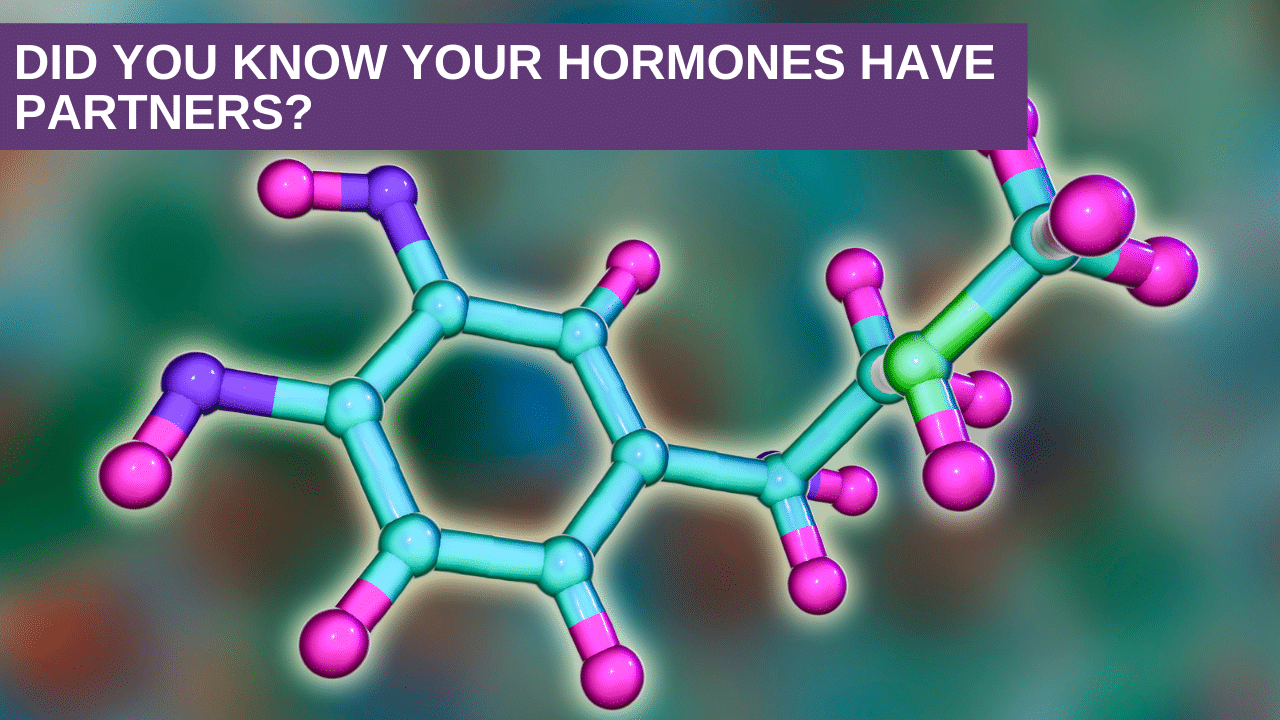
They don’t work alone. Most of your hormones have partners. A counterbalancing partner.
Estrogen & Progesterone
Cortisol & DHEA
Insulin & Glucagon
and more!
Let us start with your sex hormones.
Estrogen partners with Progesterone; Estrogen is the fertilizer, Progesterone is the gardener. It helps tissues grow – hair, skin, nails, lining of your gut and uterus, your breasts, the curvy brown fat on your thighs and hips. Estrogen fertilizes everything. Progesterone knows the difference between the flowers and the weeds. It tells cells that have outlived their welcome when its time to die. Progesterone protects you from cancerous growth.
While estrogen builds up your uterine lining after you ovulate the corpus luteum from which the egg popped out-produces progesterone to reshape the lining to become more receptive to a fertilized egg. If you become pregnant, the fertilized egg, now a zygote, produces enough HCG to keep your corpus luteum alive. To do that, it makes enough progesterone to maintain the pregnancy until the fetal placenta is completely formed at fourteen weeks. In the meantime, estrogen helps you as the mother provides enough blood and nourishment for the baby to grow. If you do not become pregnant that cycle, progesterone production stops, your uterine lining sheds and you get a period. A perfect hormone partnership!
Did you know you make 10-50 times more progesterone than estrogen?
That is because progesterone has so many jobs! Progesterone also helps tissues stay healthy. Like stimulating the myelin sheath on nerve cells. Nerves conduct electrical messages and myelin is the insulation around the electrical cords. Without adequate progesterone, your nerves become frayed.
Progesterone is used by your adrenal glands to make the stress hormone cortisol. That is why when you get stressed, your periods can get irregular. I do not know how many brides to be have asked me over the past three decades to help them postpone their period until after the honeymoon. In spite of our best efforts, the stress of getting married will rob the bride’s uterus to fuel her stress response and she gets her period anyhow. You need both estrogen and progesterone for balance.
Hormone Healing Tip: Eat a Plant-Based Diet
Eating a plant-based diet helps keep your sex hormones in balance. The phytonutrients in vegetables help you metabolize your sex hormones safely to keep them in order. You do not have to be vegetarian to get this benefit, but you do have to eat a wide variety of colorful fruits and vegetables. Especially vegetables. And while raw salads are great, you get more nutritional value from cooked vegetables. Proper cooking breaks down plant fiber that prevents your digestive tract from absorbing the phytonutrients. Use olive oil to roast or sauté vegetables. Overall olive oil has been proven to preserve the nutrients in vegetables.
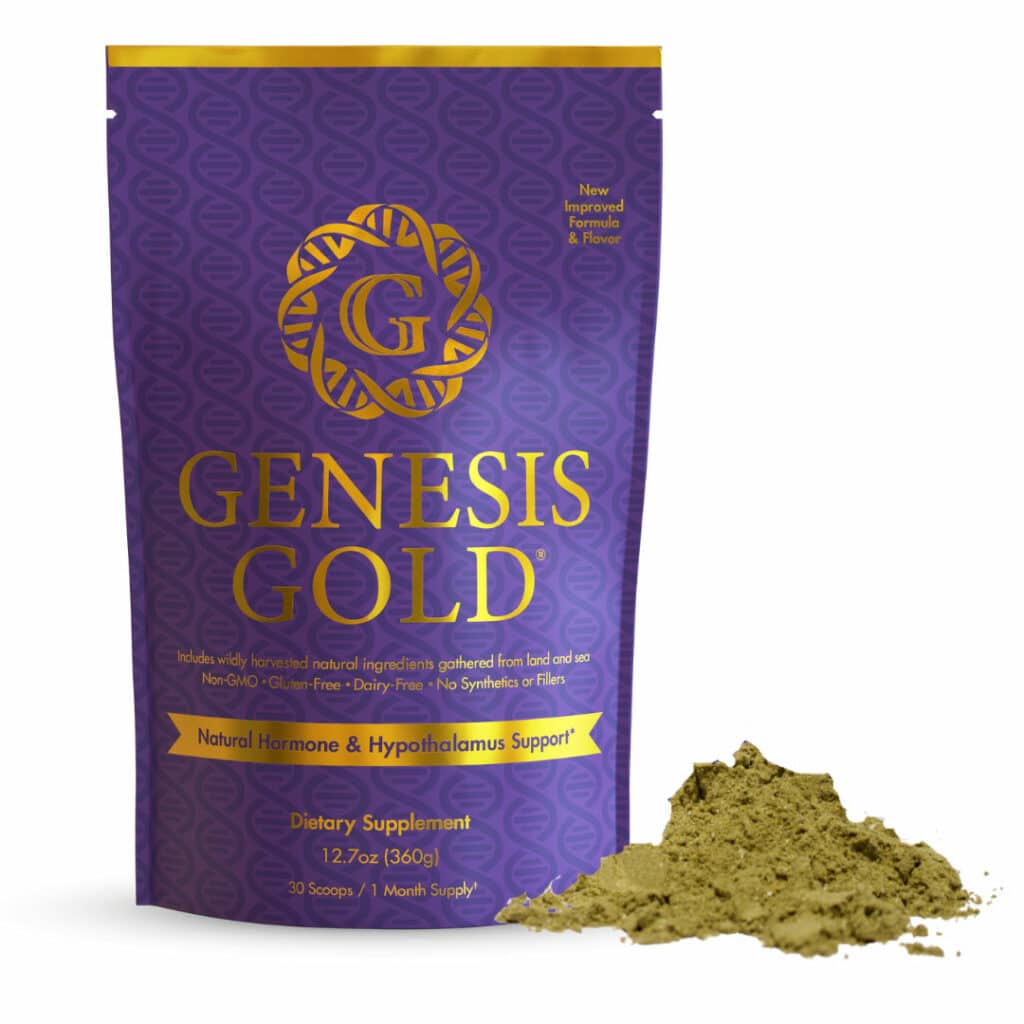
Try to fill over half your plate with veggies! Be sure to eat a wide variety with lots of color.. so you get all the phytonutrients your body needs to keep your hormones in balance. Genesis Gold®, as well, is made to help us balance our hormones.
0 Comments