
As we get older, staying active becomes increasingly important. Exercise helps maintain muscle, strength, mobility, and metabolic health, and it’s associated with better quality of life and slower progression of many diseases that become more common with age.
Your muscles aren’t working separately from your brain — they’re constantly communicating, and your hypothalamus is part of that line of communication. It helps coordinate movement, appetite, and metabolism, and the connection between the hypothalamus and skeletal muscle plays a real role in cognition and overall brain health.
Here’s the deeper mechanism.
Exercise stimulates the release of brain-derived neurotrophic factor, or BDNF — this is literally the hormone that helps revive and support aging brain cells, encouraging new connections between neurons. Your hypothalamus is involved in regulating this process, and when hypothalamic function is optimized, it supports the mitochondrial energy production happening in both your muscles and your brain.
Mitochondria are what generate the actual energy your cells run on, so better mitochondrial function means your muscles perform better, and your brain has more energy available for memory, focus, and clarity.
And for women, there’s another layer as we age.
Estrogen and progesterone support brain function, and as these hormones decline through menopause, many women notice more brain fog, trouble finding words, or difficulty focusing. Exercise won’t replace sex hormones, but it’s one of the most powerful tools you have for supporting BDNF and mitochondrial function regardless of what your hormones are doing.
What Should You Do?
#1: Walk More
You don’t need an elaborate workout. If 30 minutes at once doesn’t fit your day, break it into three 10-minute walks. Consistency is what stimulates BDNF release over time.
#2: Include Aerobic Exercise
Walk faster, hike, swim, cycle, or dance — anything that raises your heart rate and that you’ll actually keep doing.
#3: Don’t Forget Strength Training
Maintaining muscle becomes increasingly important with age. Strength training supports metabolism, bone density, balance, and fall prevention.
And if you spend most of your day sitting, get up regularly. Walk around, stretch, stand while you work when you can.
Exercise Is One of the Most Direct Ways to Stimulate BDNF Naturally
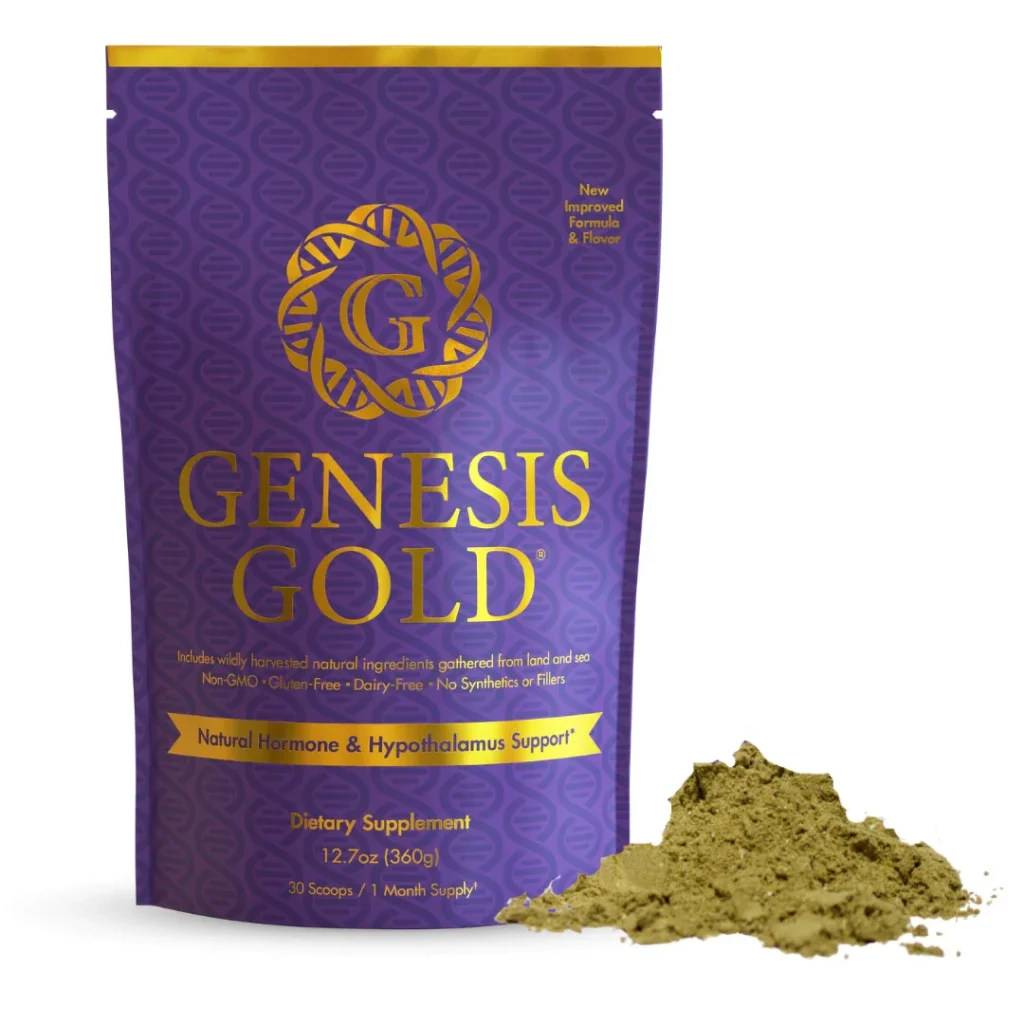
But when your hypothalamus itself isn’t functioning optimally, that mitochondrial energy production and BDNF signaling doesn’t work as efficiently, even with regular exercise. That’s part of why I formulated Genesis Gold® — to help optimize hypothalamic function, supporting mitochondrial energy production in both muscle and brain, so the BDNF your exercise is generating has the cellular environment it needs to actually do its job of reviving and protecting aging brain cells. Learn more in the description.
If you want to understand how your hypothalamus, mitochondria, and hormones like BDNF and estrogen all work together to protect your brain as you age, that’s what I teach in my Free Hormone Reboot Training. The link is in the description.
Genesis Gold® is formulated to optimize your hypothalamus function, which helps your brain function optimally.


0 Comments