
If you suddenly started having bloating, constipation, acid reflux, or food sensitivities in your 40s or 50s, I need to tell you something: this isn't about what you're eating. This is about your hormones. And more specifically, it's about how declining hormones affect every aspect of your digestive function and gut.
Let me show you exactly what's happening.
I'm Deborah Maragopoulos, and I've been treating women with hormone imbalances for over 30 years. And one of the most common complaints I hear is: 'I used to be able to eat anything. Now everything bothers my stomach.'
Today, I'm going to explain why this happens and what you can do about it.
Let’s Start With an Overview of Your Hormones
Estrogen Affects Digestion by Enhancing Gut Motility
Moving food through your intestines at a rate that allows for proper digestion and absorption. It stimulates the migrating motor complex. This is like a housekeeper that sweeps food and bacteria through your intestines between meals.
When estrogen declines in menopause, food sits in the stomach and intestines longer, where it ferments, creating gas and bloating. SIBO (small intestinal bacterial overgrowth) is common in perimenopause/menopause. Without adequate estrogen, bacteria that should be swept through your system start growing where they shouldn't.
Estrogen Also Affects Stomach Acid and Bile Production
Declining estrogen leads to less stomach acid and less bile production.
Without adequate stomach acid, you can't break down protein properly.
Without adequate bile production, you can’t break down fat properly.
You’re more likely to get heartburn. Ironically, menopausal heartburn is often from too LITTLE acid, not too much. That’s because the slowed gut motility causes backup in digestion, leading to esophageal reflux.
Progesterone Also Has an Important Role in Gut Motility
Progesterone relaxes smooth muscle. That’s why, in pregnancy, very high progesterone levels can cause constipation.
In perimenopause, declining progesterone can create rapid bowel transit, leading to malabsorption, especially of micronutrients like vitamins and minerals.
Thyroid Hormones Also Have a Role In Your Gut Function
Thyroid hormones regulate your metabolic rate - not just for the whole body, but for each individual cell. When thyroid function is low (often because your hypothalamus is not stimulating your thyroid properly), your entire digestive system slows down with slower stomach emptying, decreased production of digestive enzymes, reduced bile flow from the gallbladder, and slower transit time through the colon.
Everything just... slows... down.
The result is that food sits and ferments, disrupting the gut microbiome, which causes gas and bloating.
Your Gut Microbiome Changes with Hormone Levels
Did you know that your gut microbiome (all those bacteria living in your intestines) actually changes with hormone levels?
When estrogen levels are healthy, certain beneficial bacteria thrive. These bacteria help you metabolize estrogen safely and produce compounds called short-chain fatty acids that support your gut lining. When estrogen declines, you lose these protective bacteria, and other bacteria (ones that promote inflammation) start to take over.
This is one reason why so many women develop new food sensitivities or even autoimmune conditions during perimenopause and menopause. The microbiome shift triggered by hormone changes affects your immune system. Yes, your gut microbiome is that important. And your hypothalamus communicates directly with your gut microbiome.
So if you may not be out of balance because of suddenly developing food allergies, or that you're eating worse than you used to, it’s your hormones (controlled by the hypothalamus) that are no longer supporting optimal digestive function.
That’s why trying to fix gut issues without addressing hormones only gets you partway there. And trying to fix hormones without supporting the gut only gets you partway there.
Support Your Hypothalamus
The good news is, there IS a way to support both your hormones and your gut simultaneously by supporting the command center that controls both of them - your hypothalamus.
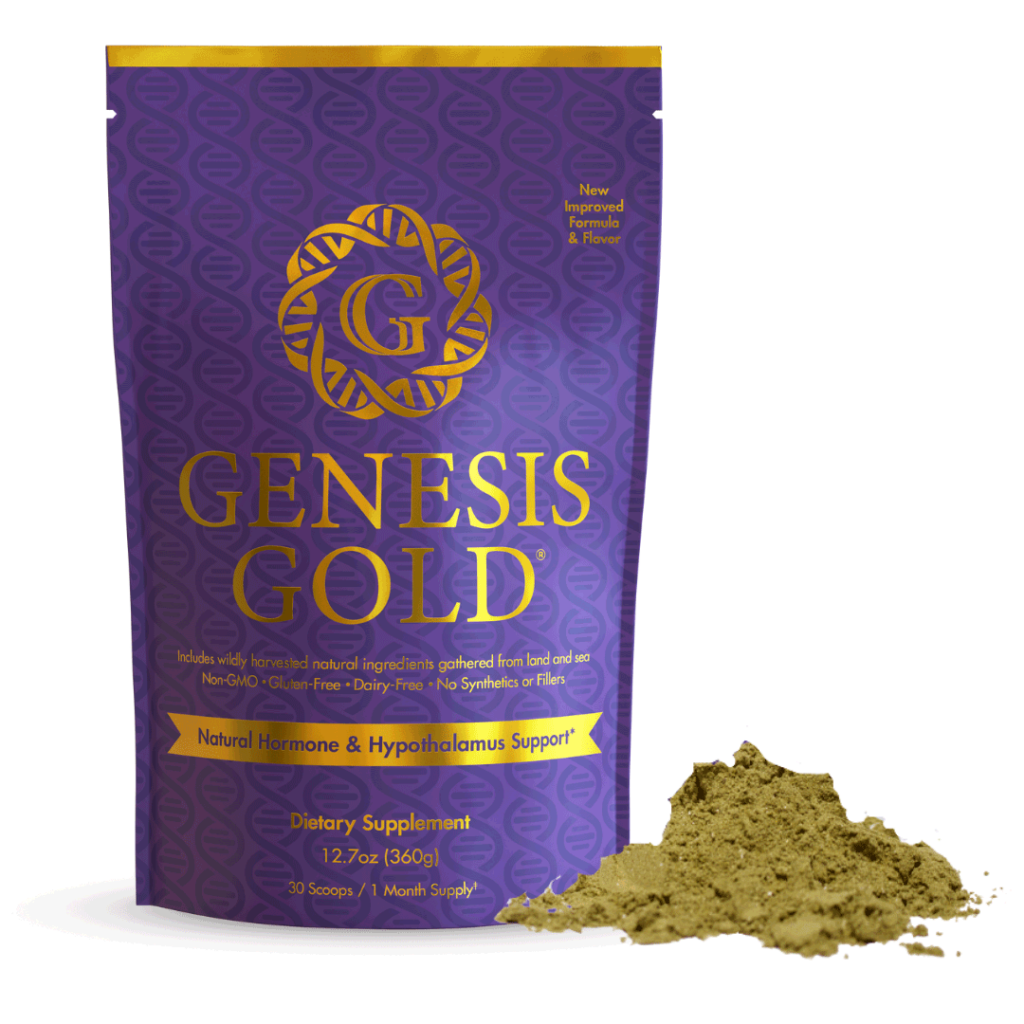
I created a supplement called Genesis Gold® specifically to support hypothalamus function. It contains whole food nutrients, amino acids, and adaptogenic herbs that help your hypothalamus regulate everything - including your gut-hormone axis.
If you want to learn more about Genesis Gold®, CLICK HERE.


0 Comments